MAW . Anna Wittenberg. September 25 - October 24, 2026. Fall. Solo.
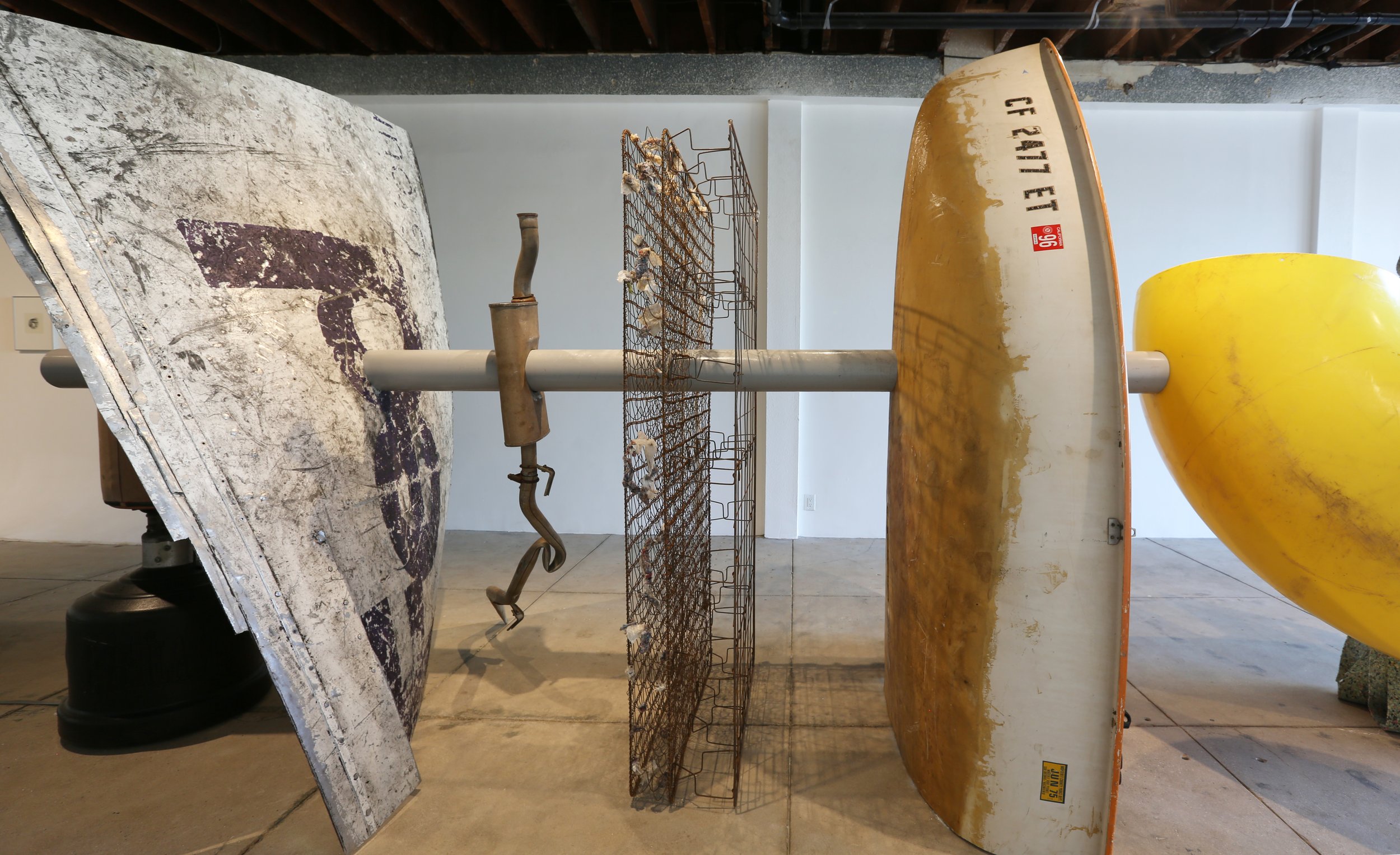
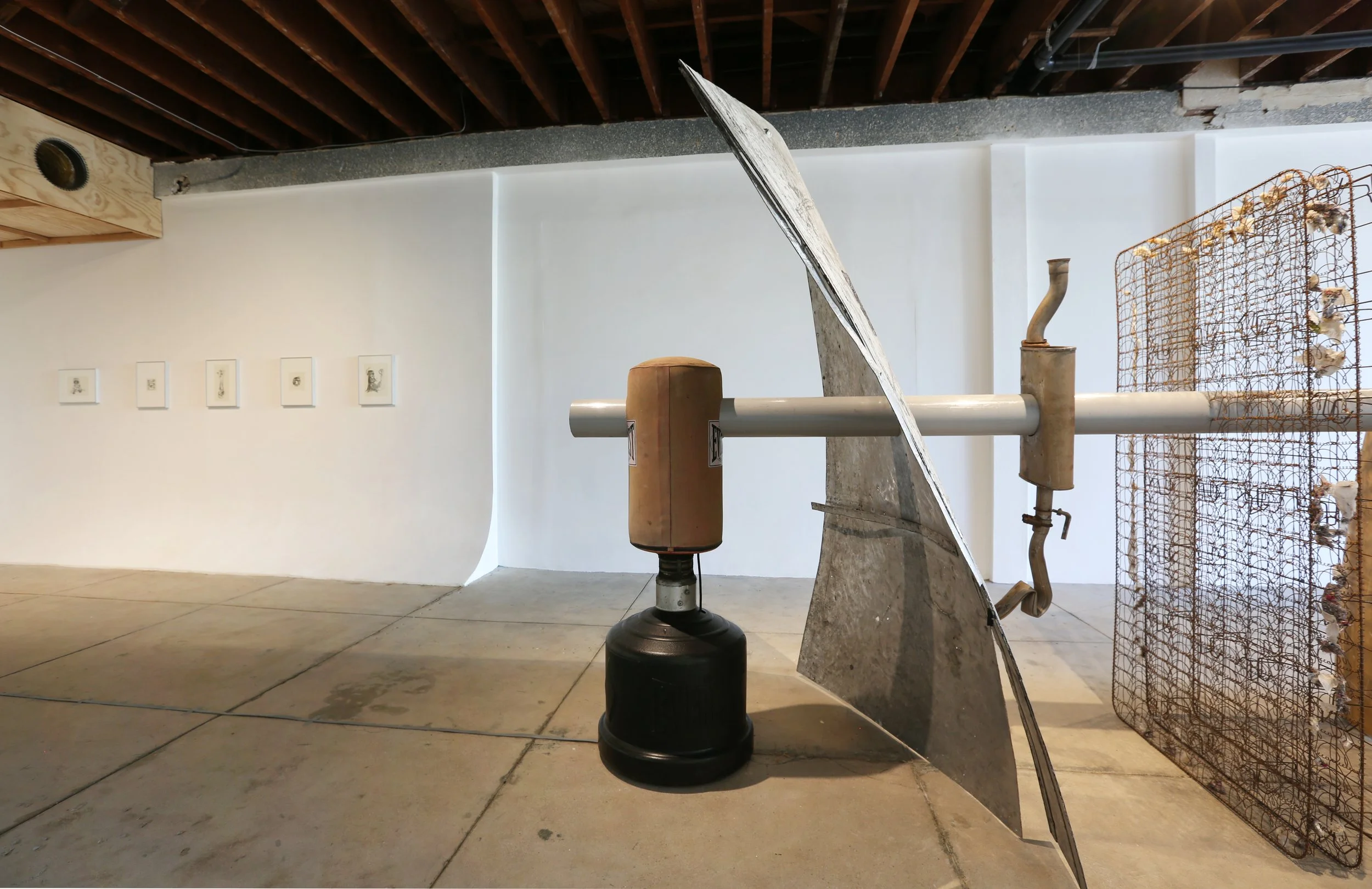
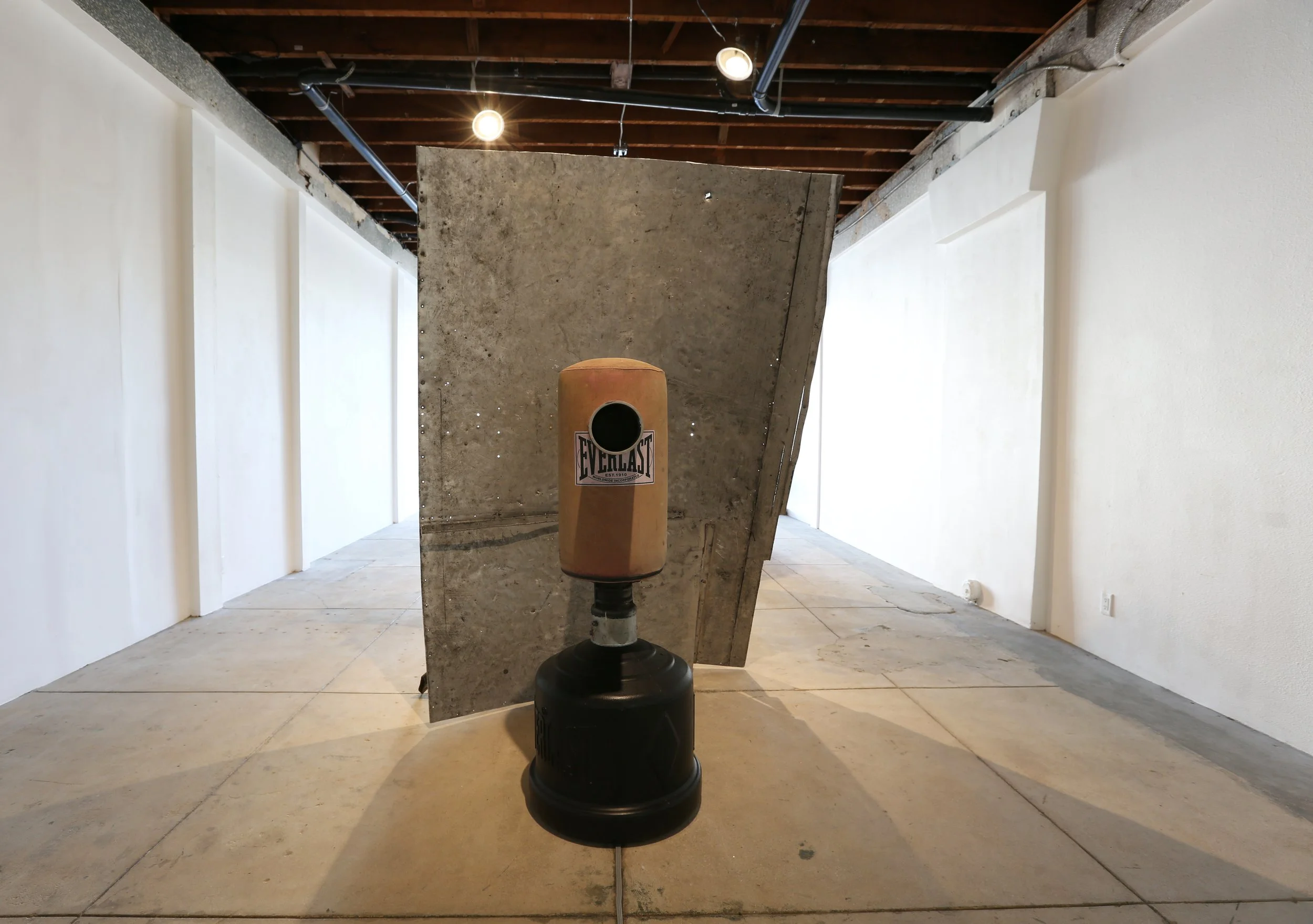
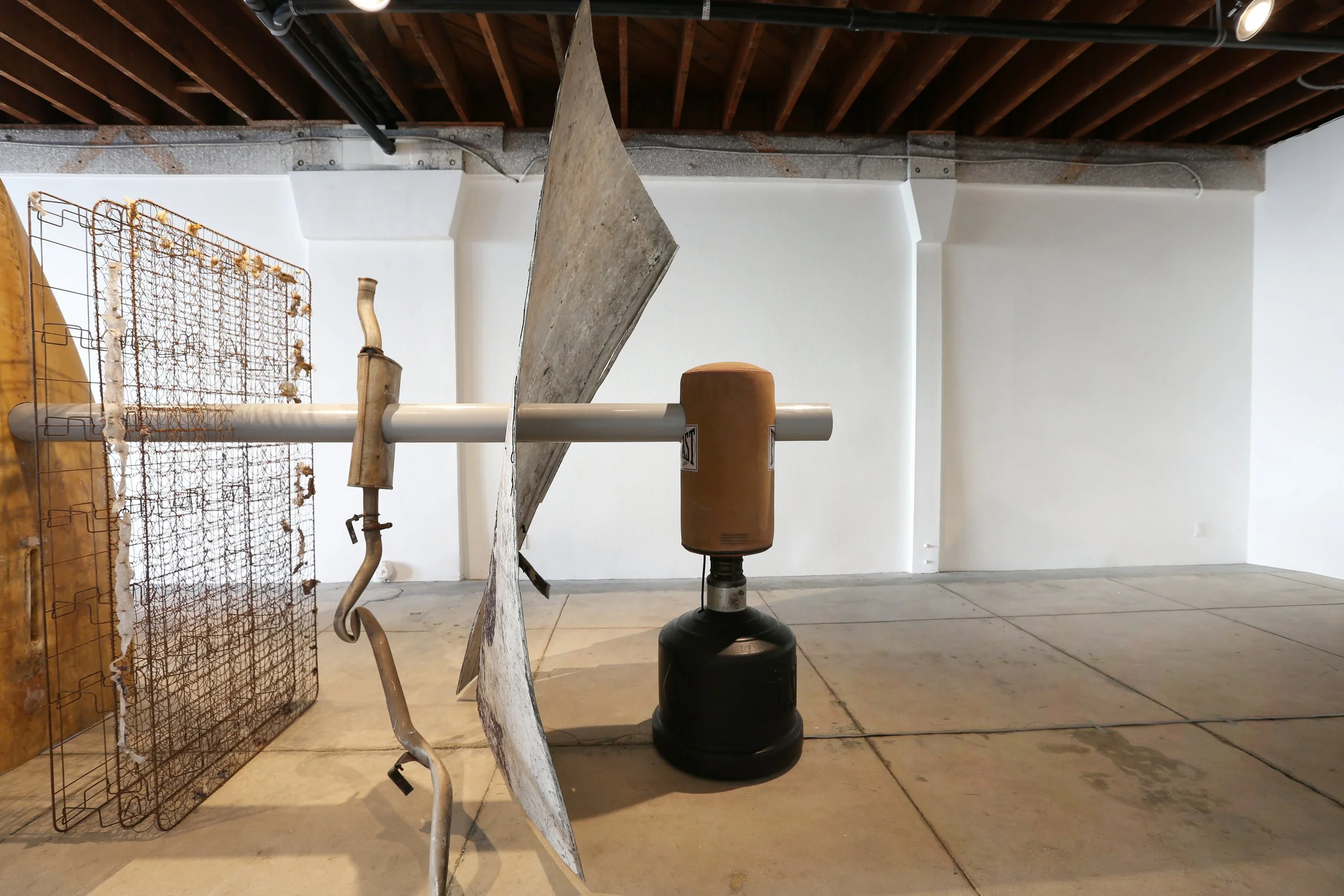
CURRENT
MAW
Anna Wittenberg
Duration: September 25 - October 24, 2026. Fall.
Location: Reisig and Taylor Contemporary (603 N Western Ave, Los Angeles 90004).
Type: Solo Presentation.
Thermostat: 69 degrees Fahrenheit.
Announcement: Title Image.
Release: Text by Nick Herman.
Reference: Checklist.
Publicity: Curate LA; Artguide; See Saw.
Press: This Week’s Must-See Art (Curate LA: September 24-30, 2026); “Great exhibition by Anna Wittenberg…” (Kaput Magazin: September 26 & October 3, 2026); What I’m Burning On: LA’s Fall Shows (DIVA CORP USA: October 11, 2026).
|
Please contact Emily Reisig with any questions:
____
MAW . Anna Wittenberg. September 25 - October 24, 2026. Fall. Solo.
603 N Western Ave, Los Angeles, CA 90004.
*Opening Friday, September 25, at Reisig and Taylor Contemporary (Los Angeles). The reception is 7-10pm.
View the exhibition text by Nick Herman here.
{}{}{}{}{}{}{}{}{}{}{}{}{}{}{}{}{}{}{}{}{}{}{}{}{}{}{}{}{}{}{}{}{}{}{}{}{}{}{}{}{}{}{}{}{}{}{}
MAW
ANNA WITTENBERG
a text by Nick Herman
What’s in a name? Diogenes the Cynic leads with his. Famous for challenging social mores his cynicism isn’t weighed down by the negative associations of our own age. Instead it’s strong medicine, a tonic to dispel the plaques that obscure a thing. It’s a catalyst.
Living in a barrel, masturbating in public, Diogenes is memorialized carrying a lantern. Asked why he would need light in broad daylight he answered “I am looking for an honest man.” Now as then, cynicism is mouthy.
Challenging orthodoxy is said to be the shortest path to the truth but the most dangerous. The risk being annihilation or worse. The Greek source of catalyst comes from two roots, kata, meaning “completely” and luein, meaning “to loosen,” “untie,” or “dissolve”.
To dissolve completely promises what Antonin Artaud calls a “scream in an armature of bone.”[1] Unleashed, unhinged, the liquid conveyance of our animal-breath sounds like this, a rag flapping in high seas. A lanced boil whistling. Also this lability spells trouble on another register. Lamentation is, according to Anne Carson, gendered.[2] The Latin origin of cry quiritare (“wail or shriek”) is linked to quirritare (“to squeal like a pig.”)[3]
Maw. Maw-ha-ha. Maga. Muck. Mew. mmmm. Maaaaaama!
Maw is a word we know in our bones... a catalytic word, a raw tonal onomatopoeic word. Open wide, menacing, it captures what George Bataille observes is the mouth’s origin at the “beginning… the prow of animals. The most living part, in other words, the most terrifying… .” From the Old English maga (“stomach”) and proto-German magan/ mago (“bag, belly”) maw is both agent and apparatus—stretching from the guts to the gullet to the final grim aperture. “On important occasions human life is still bestially concentrated in the mouth: fury makes men grind their teeth, terror and atrocious suffering transform the mouth into the organ of rendering screams.”[4]
All matter has the right to voice its protest. The sharp crack and thud of breakage is no less discernible for having come from a rock or shattered vessel. Detritus has in its torn and crumpled obsolescence a unique cacophony. The streets have more than once been likened to a siren’s call, wind-blown refuse a kind of ode.
For Mikhail Bakhtin the belly is the focus of medieval life and a means of amplifying the lowest strata (a wind bag). A metaphor for society and its appetites, it is also synonymous with diagnosis and the so-called humors, from the Greek chymos (“juice or sap”). These flows correspond to the seasons and those other changes that mark a thing’s lifespan, however obdurate; a great churning metabolic system that sees bodies as fluid, animate, loquacious.
Carnival and the grotesque enumerate this schematic anthropomorphization, the “assimilation of cosmic elements within the body… the material acts and eliminations—eating, drinking, defecation, sexual life—that man found and retraced within himself the earth, sea, air, fire, and all the cosmic matter and its manifestation... .”[5] Carson observes a similar locus on ritual horology dating even further back in history, noting how sculptures of the mythical crone/ clown Baubo reduce her to only a mouth and genitals, and their position is reversed. “The noun baubo is used as a synonym for koilia (which denotes the female uterus) but as a piece of sound it derives from baubau, the onomatopoeic Greek word for a dog’s bark.”[6]
By puncturing a thing or series of things there is an analogous release, a shedding of containment. A linking and a liberation. Strung out, strung up, spit roasted. This ecstatic surge of juice and its conveyance, of moist wind blown through the larynx of time. This is the mystery of the maw. Its terrible urgency and its divine comedy; to have all our mouths open. Respiring.
Written to accompany Anna Wittenberg’s exhibition MAW Sept 25-Oct 24, 2026
[1] Antonin Artaud. “The Theater of the Seraphim” in Selected Writings ed. Susan Sontag. pgs 273-274.
[2] Anne Carson. “The Gender of Sound” in Glass, Irony and God. pgs 130-132.
[3] https://www.etymonline.com
[4] George Bataille. Encyclopeaedia Acephalica. Atlas Arkhive. pg 62. See also “The Lugubrious Game” in Visions of Excess.
[5] Mikhail Bakhtin. Rabelais and his World. pg 336.
[6] “The Gender of Sound.” pg 135.
___________________
BIO
|
Anna Wittenberg is an interdisciplinary artist who lives and works in Los Angeles. She received her BA in Media Studies from Pitzer College and her MFA from the University of California, Riverside. Her work unfolds from an interest in animism, engaging common objects and phenomena through installation and video with a bent toward problematizing their status - social and mechanical. Her work has been shown abroad at the FRAC des Pays de la Loire in Nantes and the Carré d’Art in Nimes, France and locally at The Box, Phase Gallery, LAX ART, BozoMag, Human Resources and the California Museum of Photography in Riverside.
{Bio courtesy of the artist.}
....
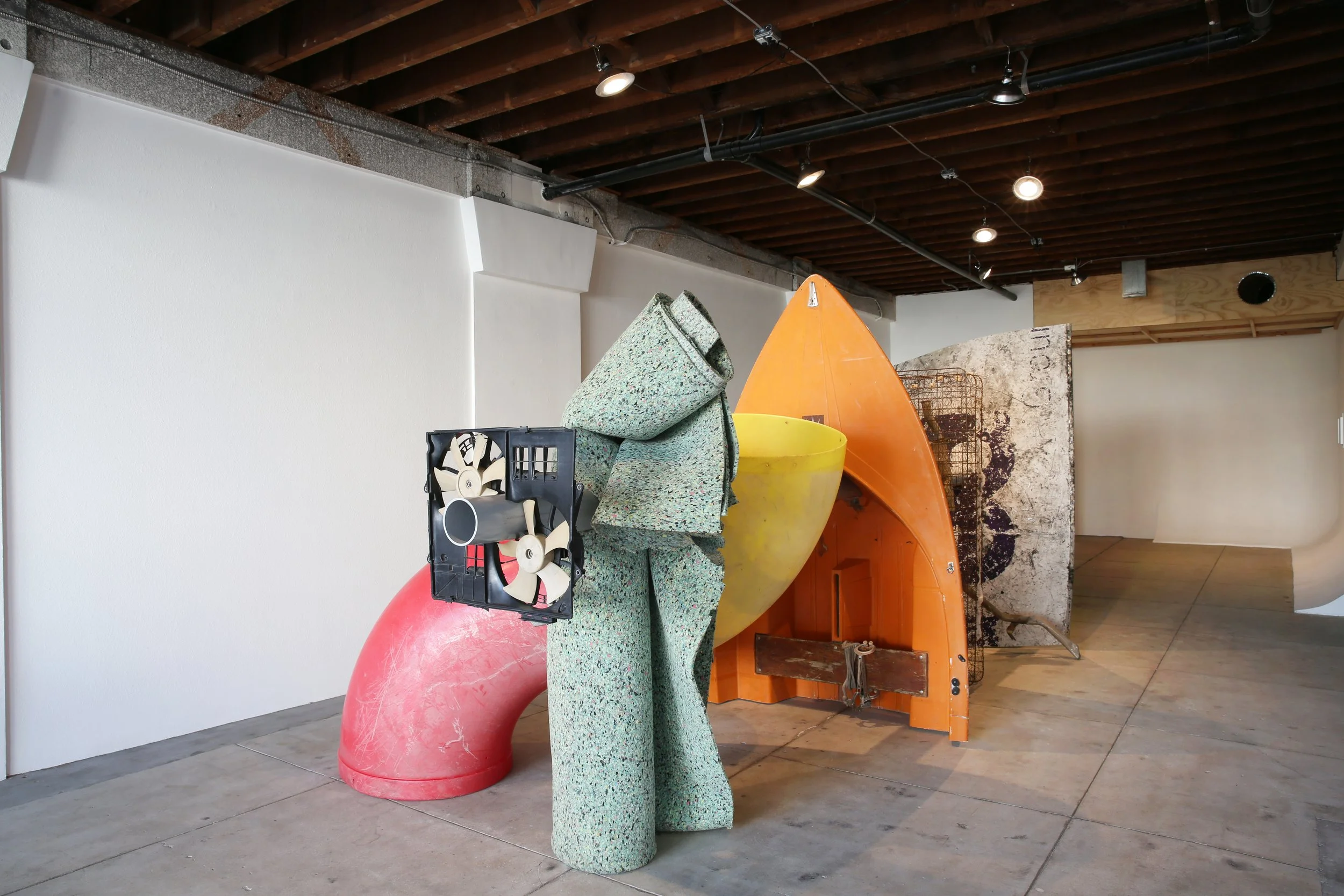
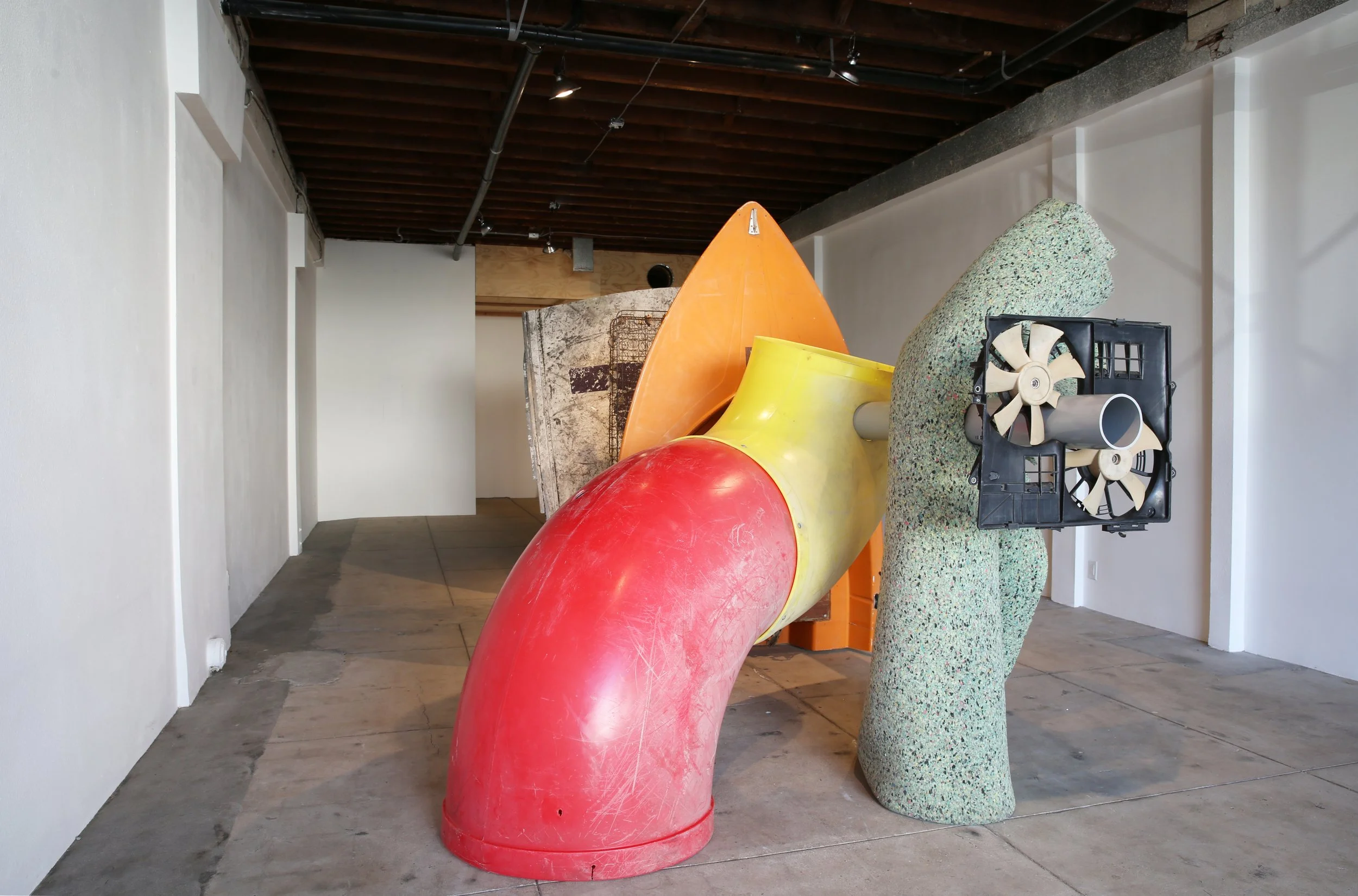
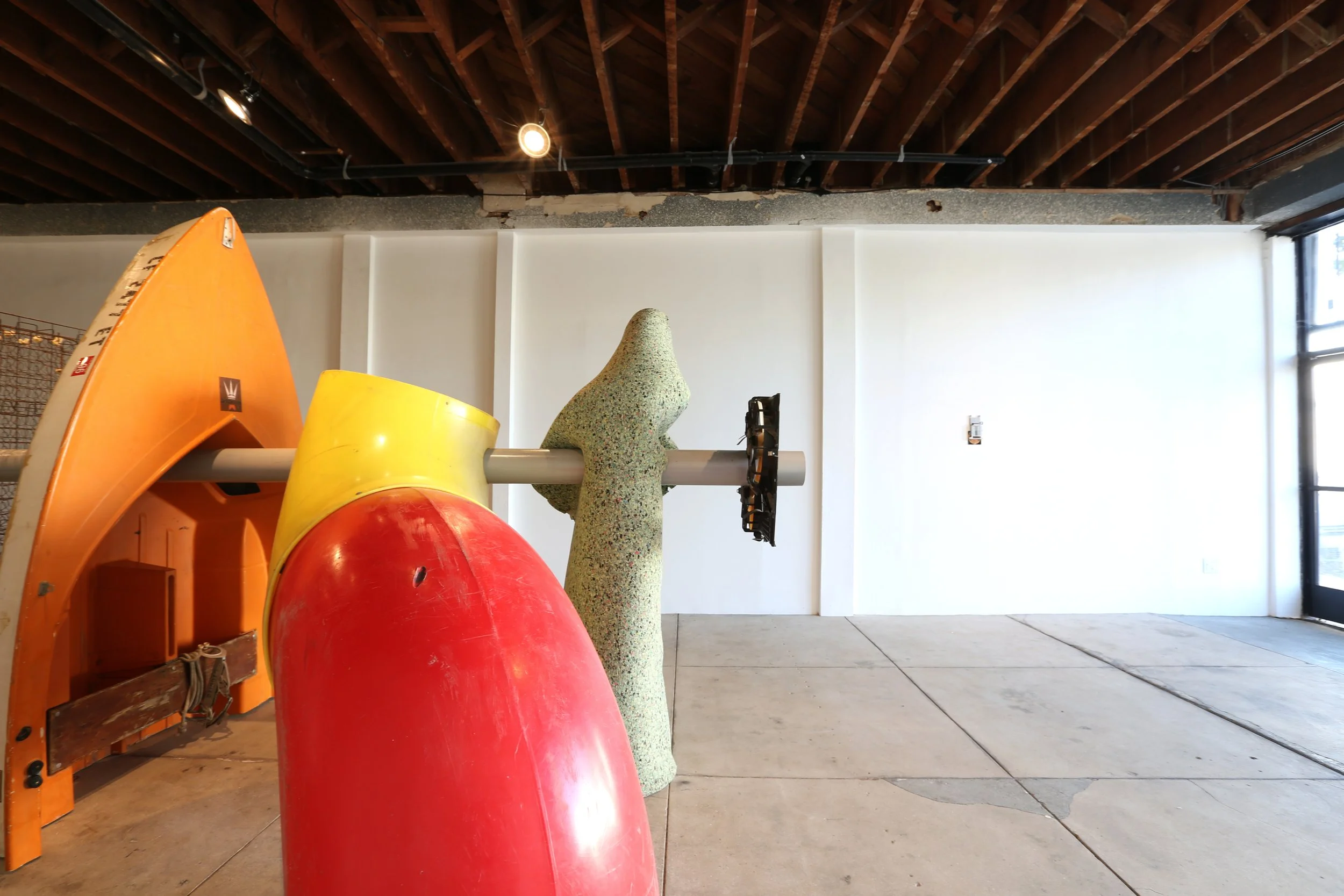
MAW . Anna Wittenberg. September 25 - October 24, 2026. Fall. Solo. [Installation view/ Day (0).]
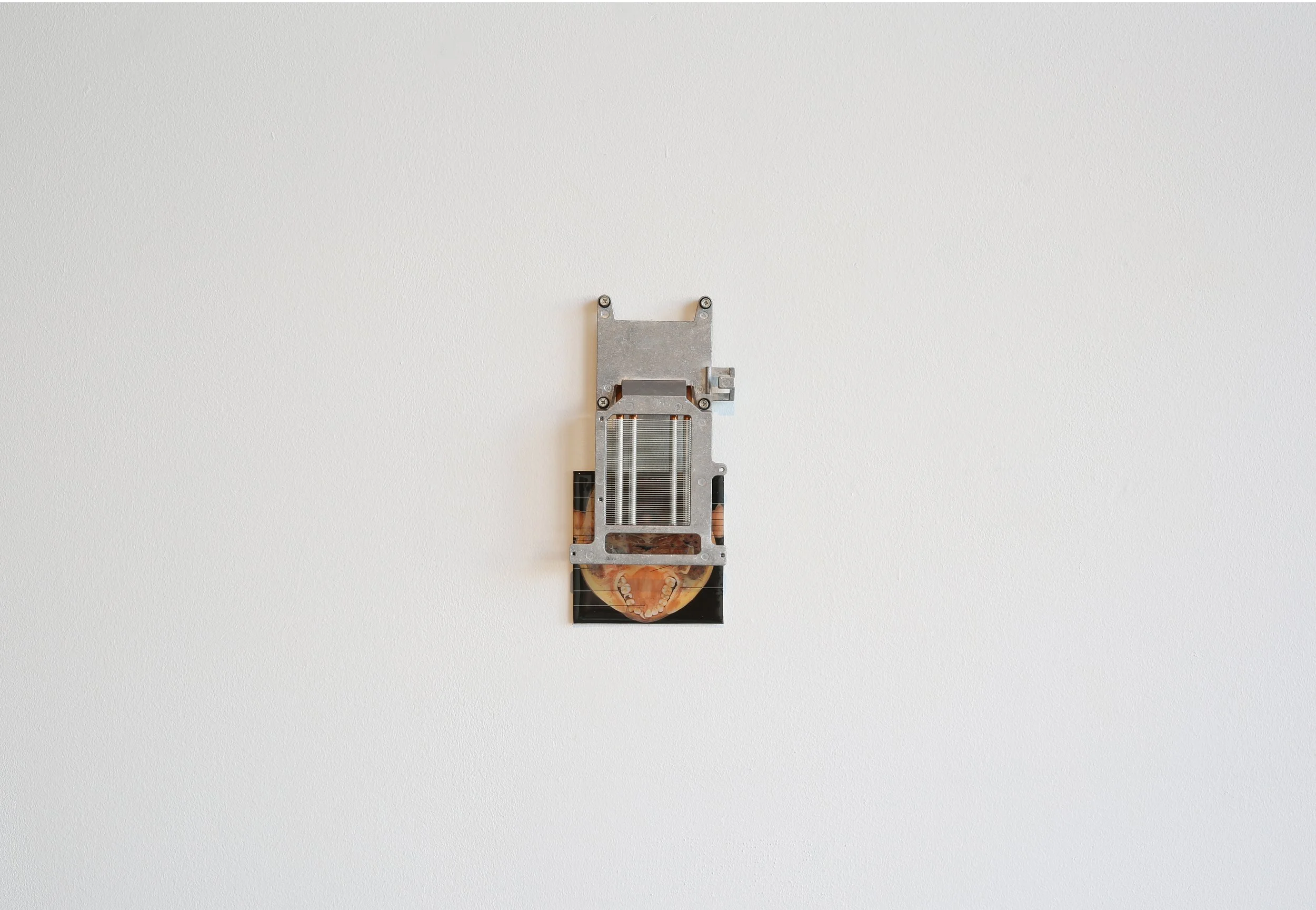
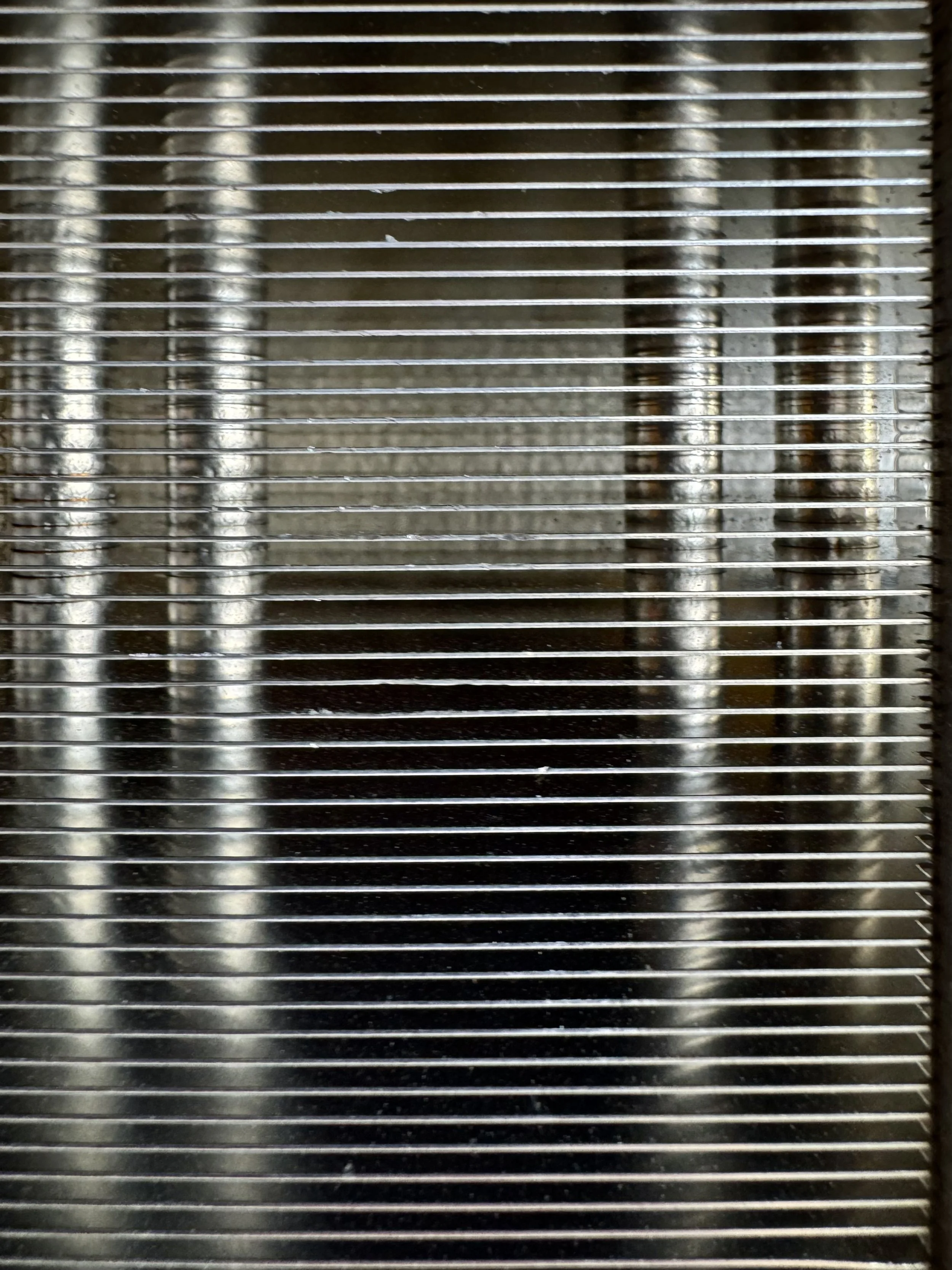
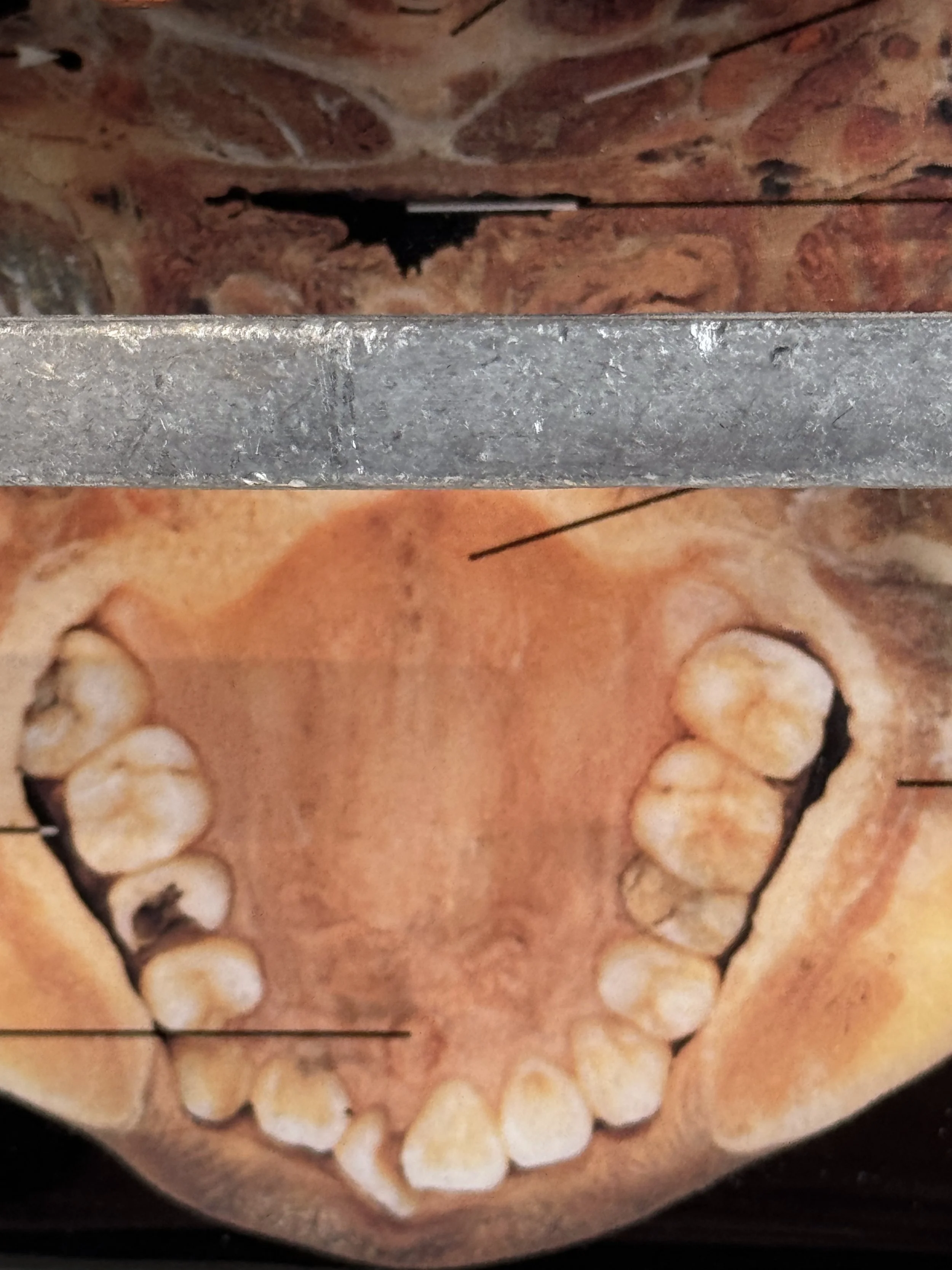
Anna Wittenberg. Untitled (Gate) . 2026. Heat sink, paper, resin.
Day (1).
Day (2).
Day (3).
Day (4).
Day (5).
Day (6).
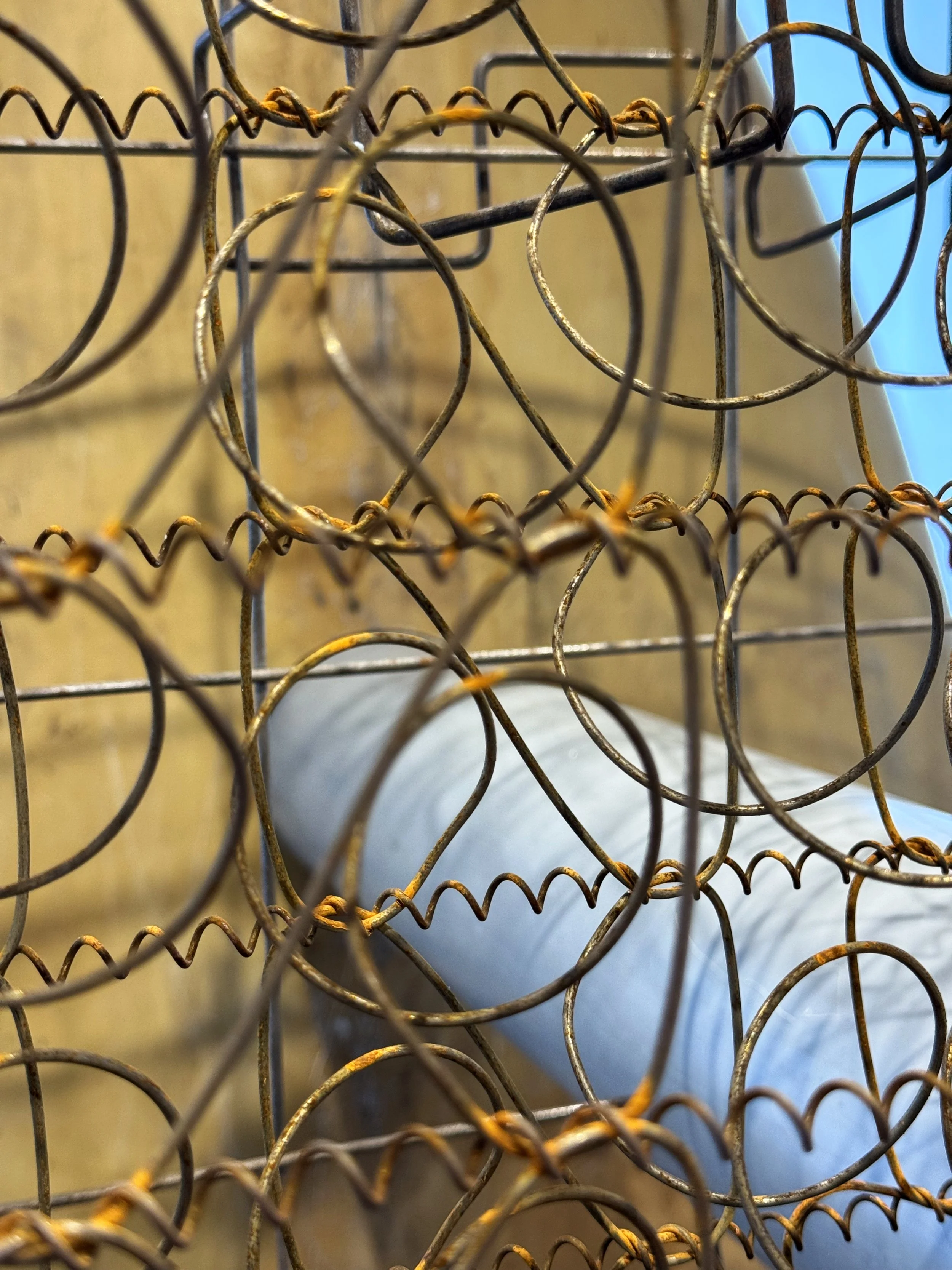
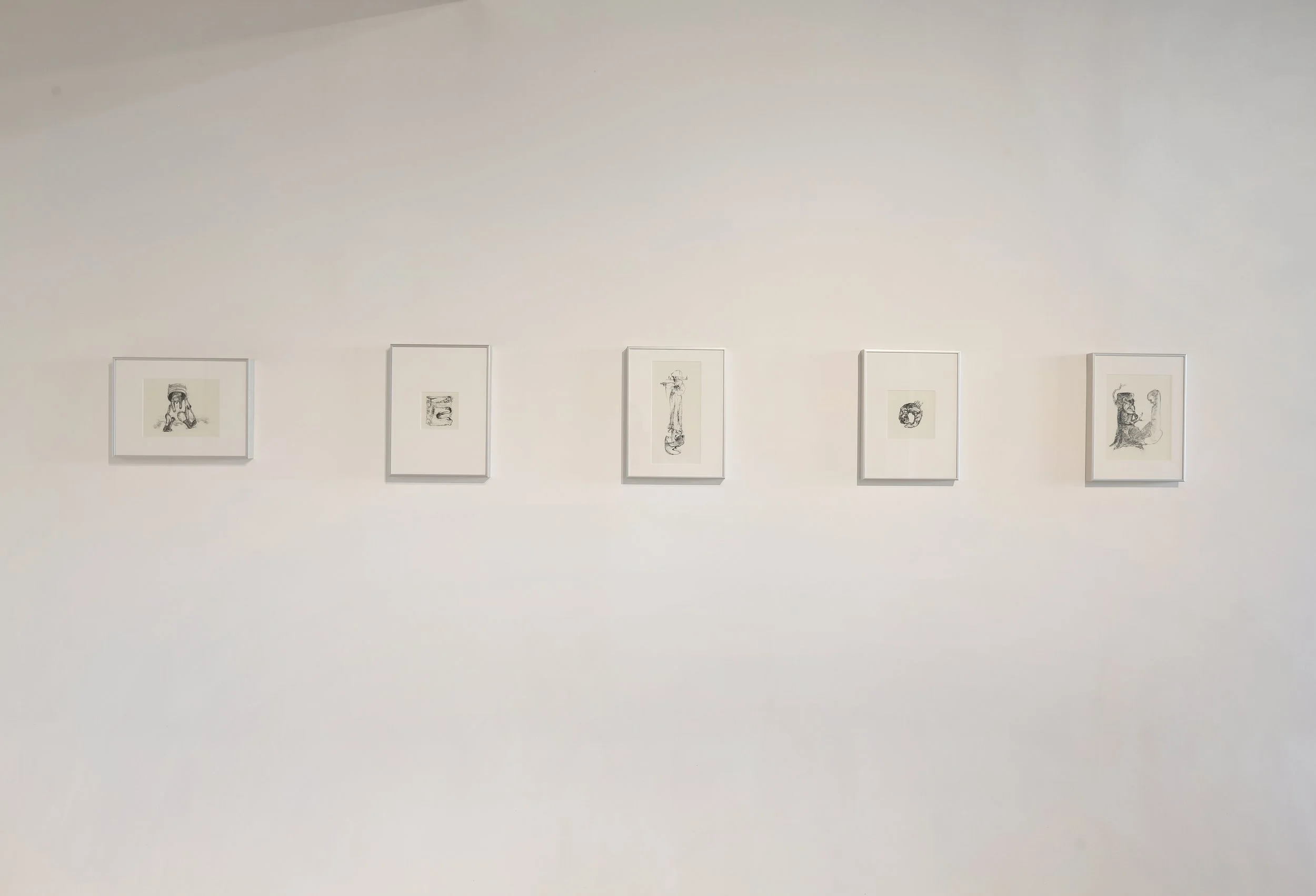
Anna Wittenberg. A E I O U . [Group view.] 2026. Charcoal on paper (in aluminum frame).