Choreographies of Retreat . Ryat Yezbick. March 07 - April 04, 2026. Spring. Solo.
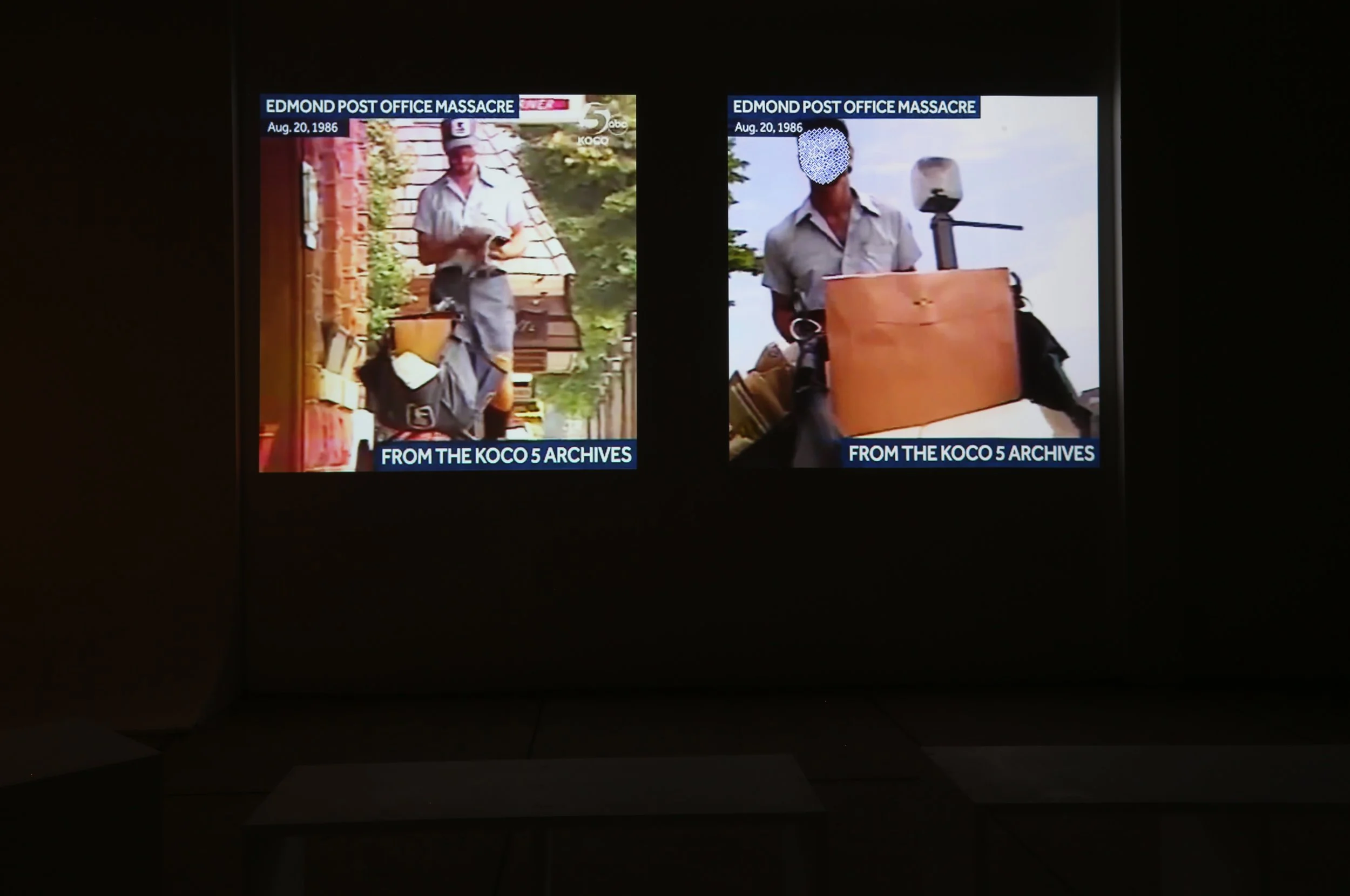
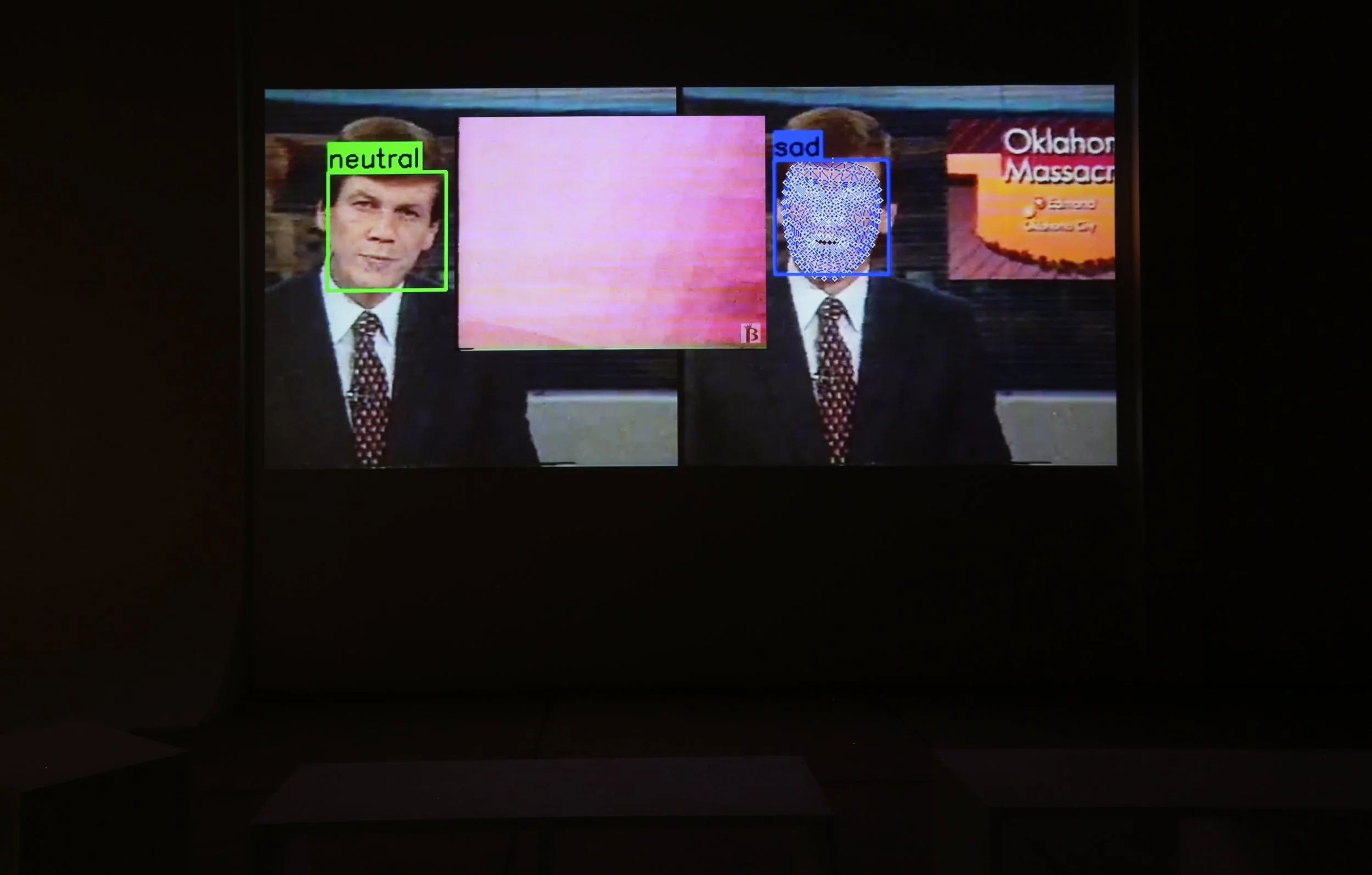
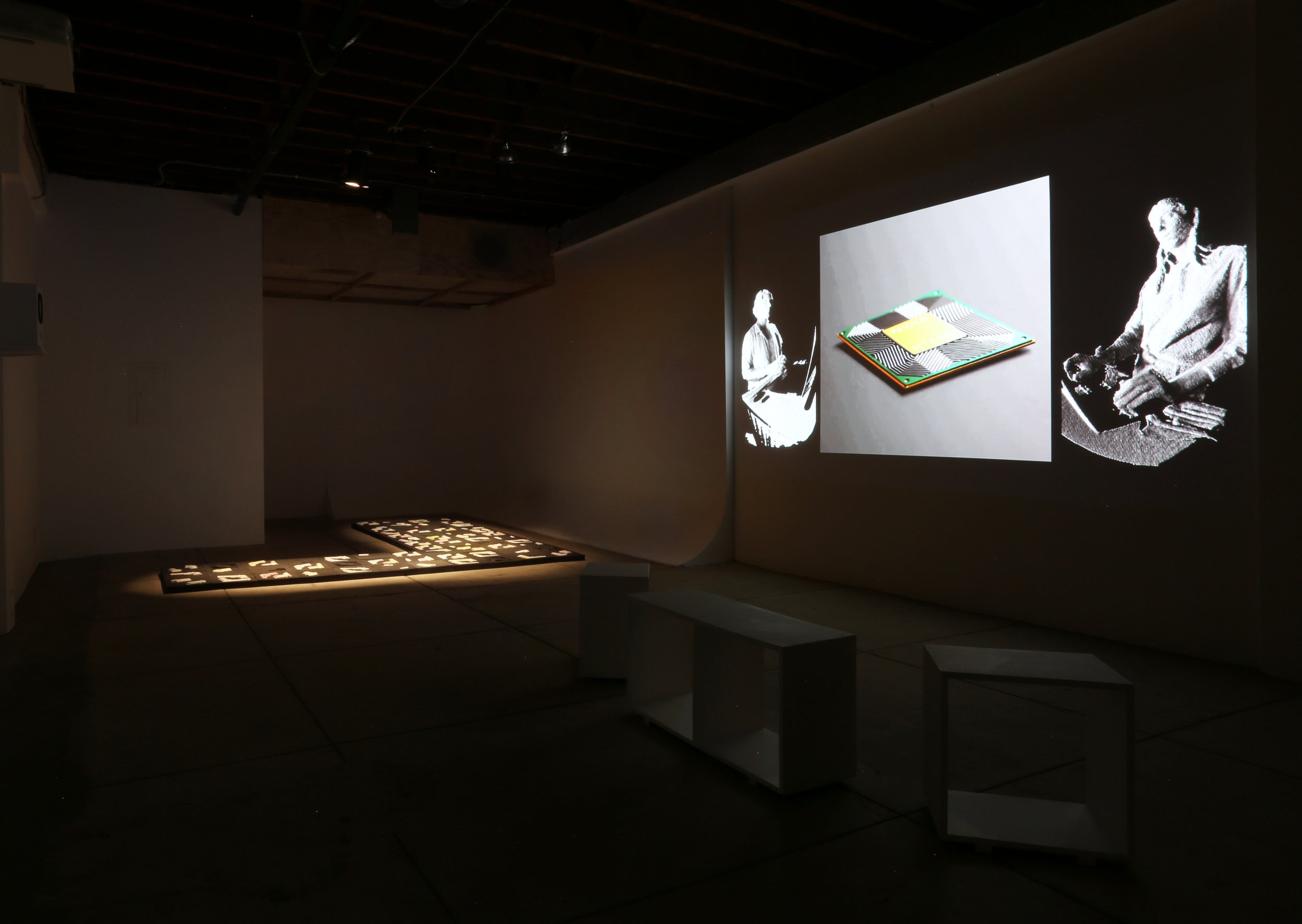
![Choreographies of Retreat . 2026. Ryat Yezbick. TV, HD video, performance, volumetric images. [Installation view/ Night (0). Still (Z).]](https://images.squarespace-cdn.com/content/v1/619c221f6addfe04124c8b97/ee290554-ddc3-4fc3-b564-28c0351240f4/*COR_front_dark.jpg)
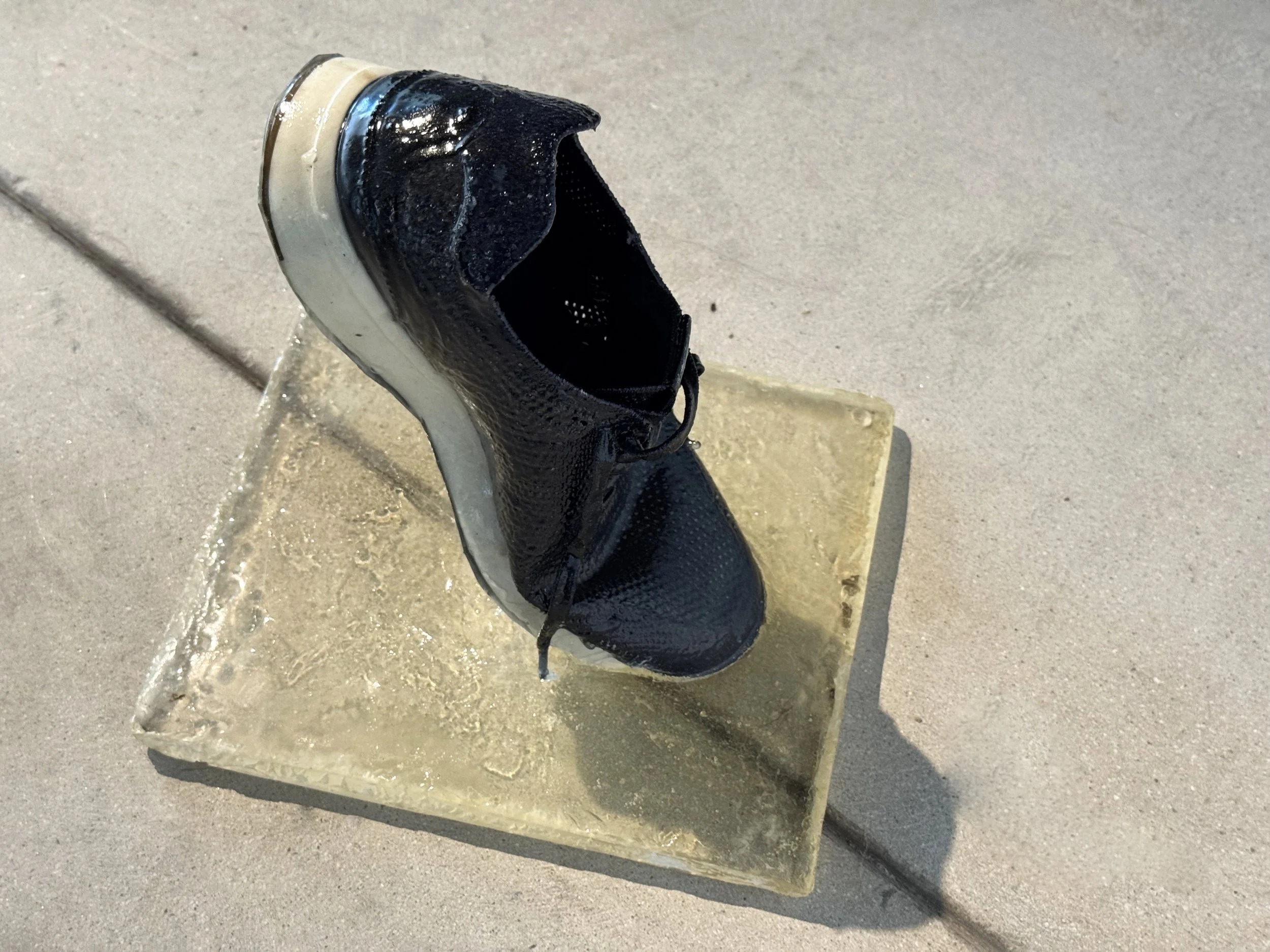
![/ˌɪnˈheɪɫ/ . 2026. Ryat Yezbick. Materials: Shoe, resin, photograph. [Installation view/ Night (1).]](https://images.squarespace-cdn.com/content/v1/619c221f6addfe04124c8b97/3c853f0b-b467-4e5a-a2d3-32f60b8dc9bb/*COR_shoe_2.jpg)
![/ˌɪnˈheɪɫ/ . [Detail (a).]](https://images.squarespace-cdn.com/content/v1/619c221f6addfe04124c8b97/c9e6d23f-d38e-45f8-a893-886dcfbcf8e2/IMG_1421.jpg)
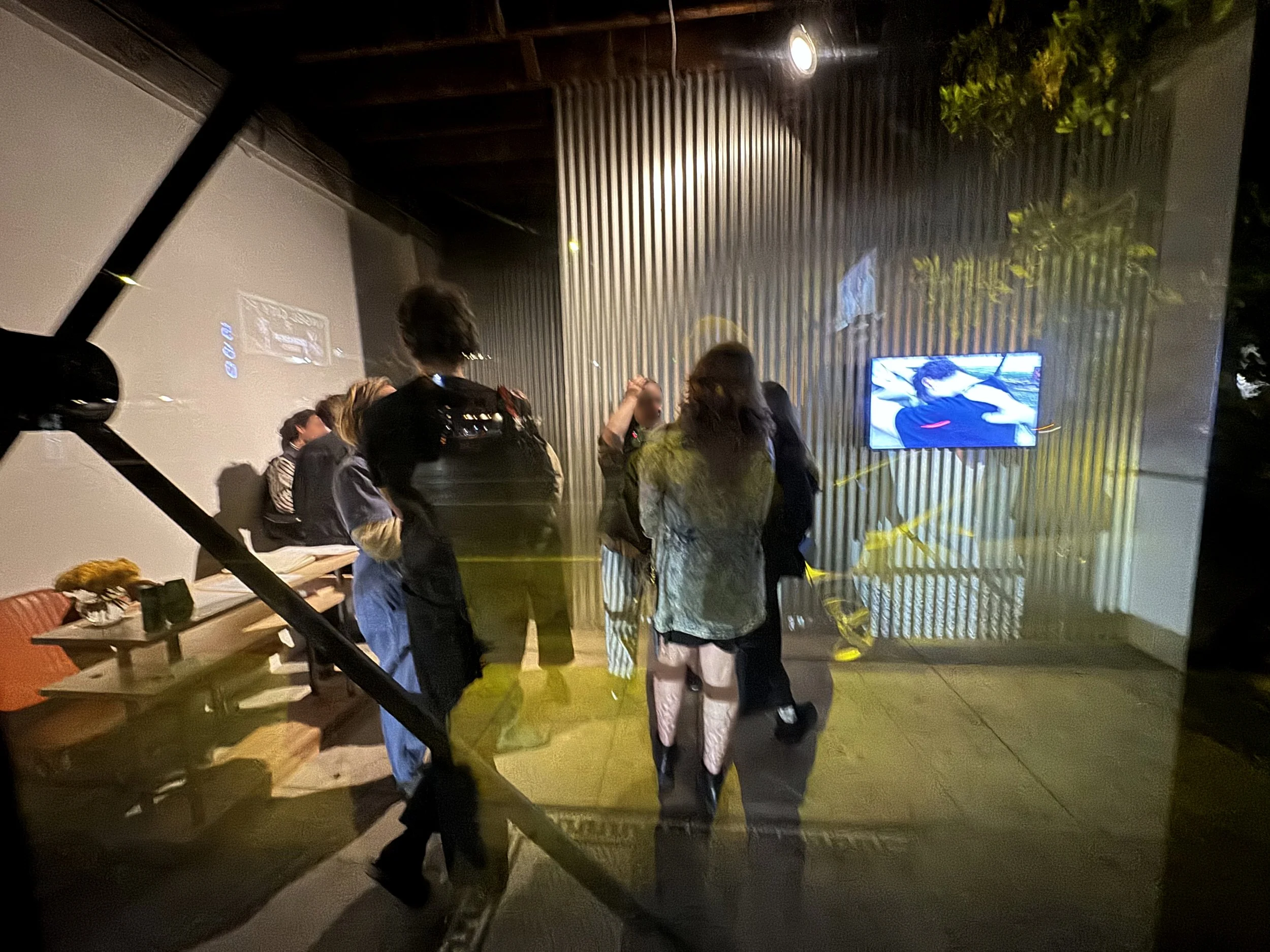
![Choreographies of Retreat . Ryat Yezbick. March 07 - April 04, 2026. Spring. Solo. [Installation view/ Night (2).]](https://images.squarespace-cdn.com/content/v1/619c221f6addfe04124c8b97/07729a86-3c61-4728-a328-3123a45cb268/*COR_install_3.jpg)
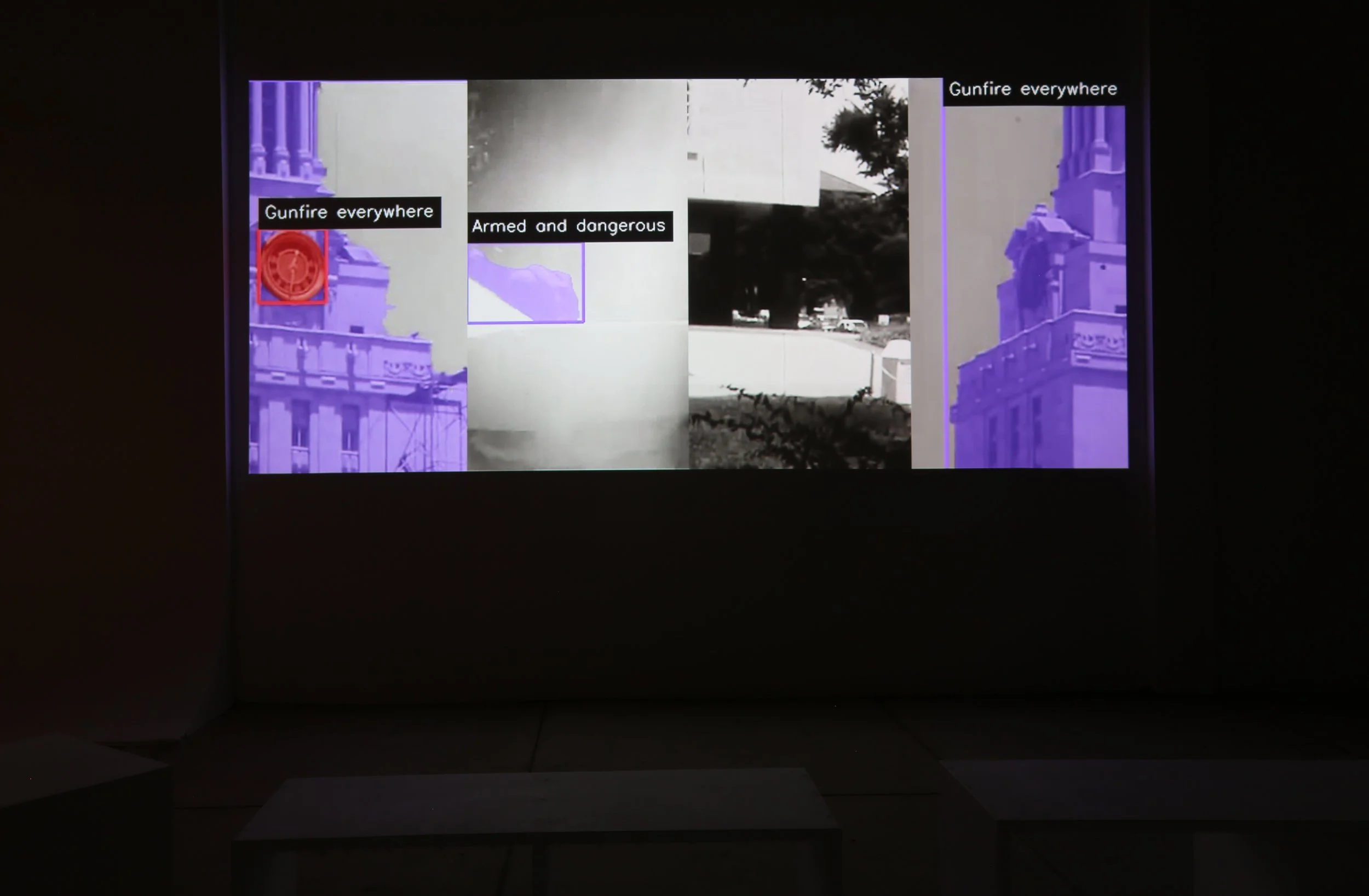
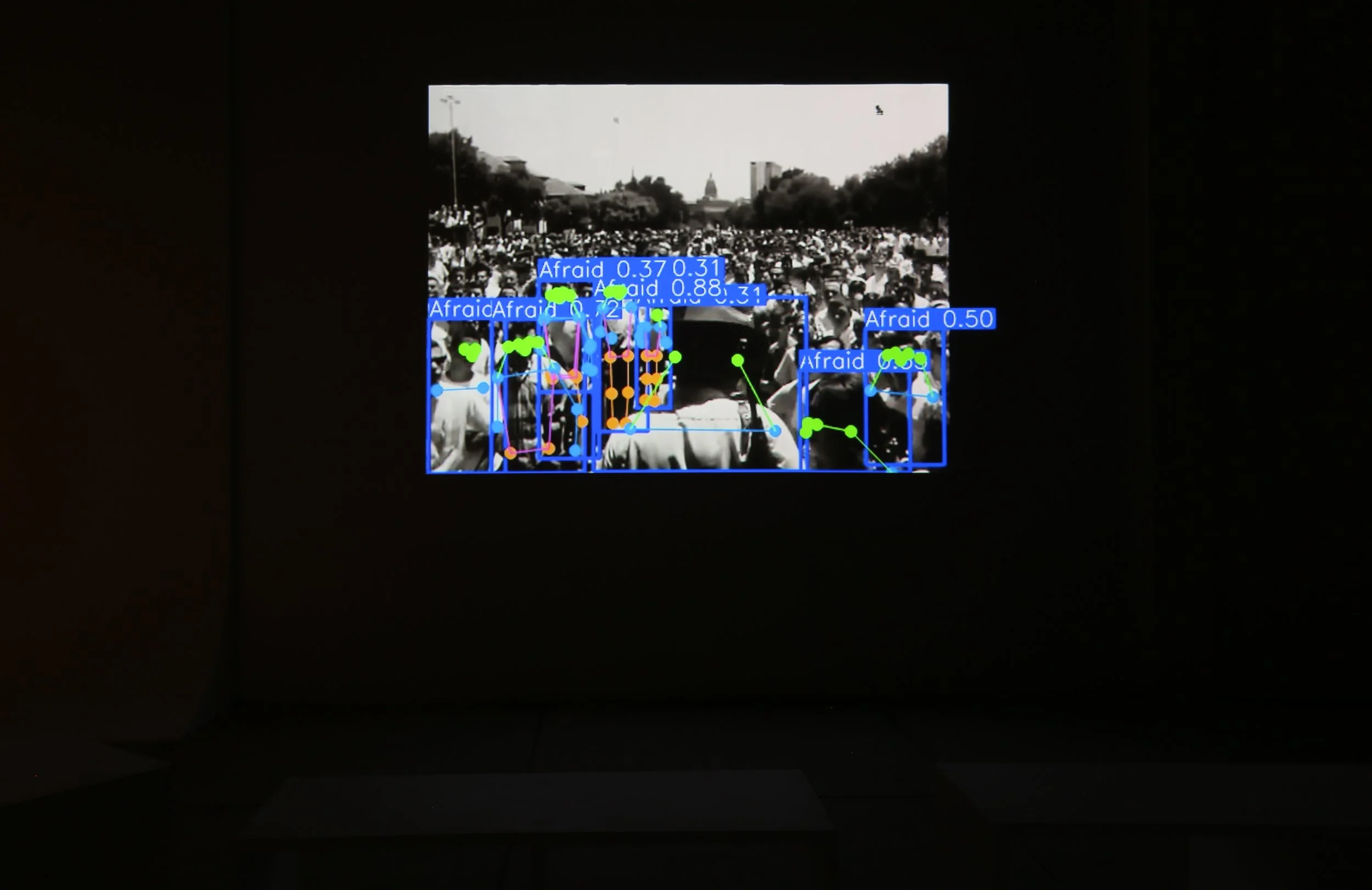
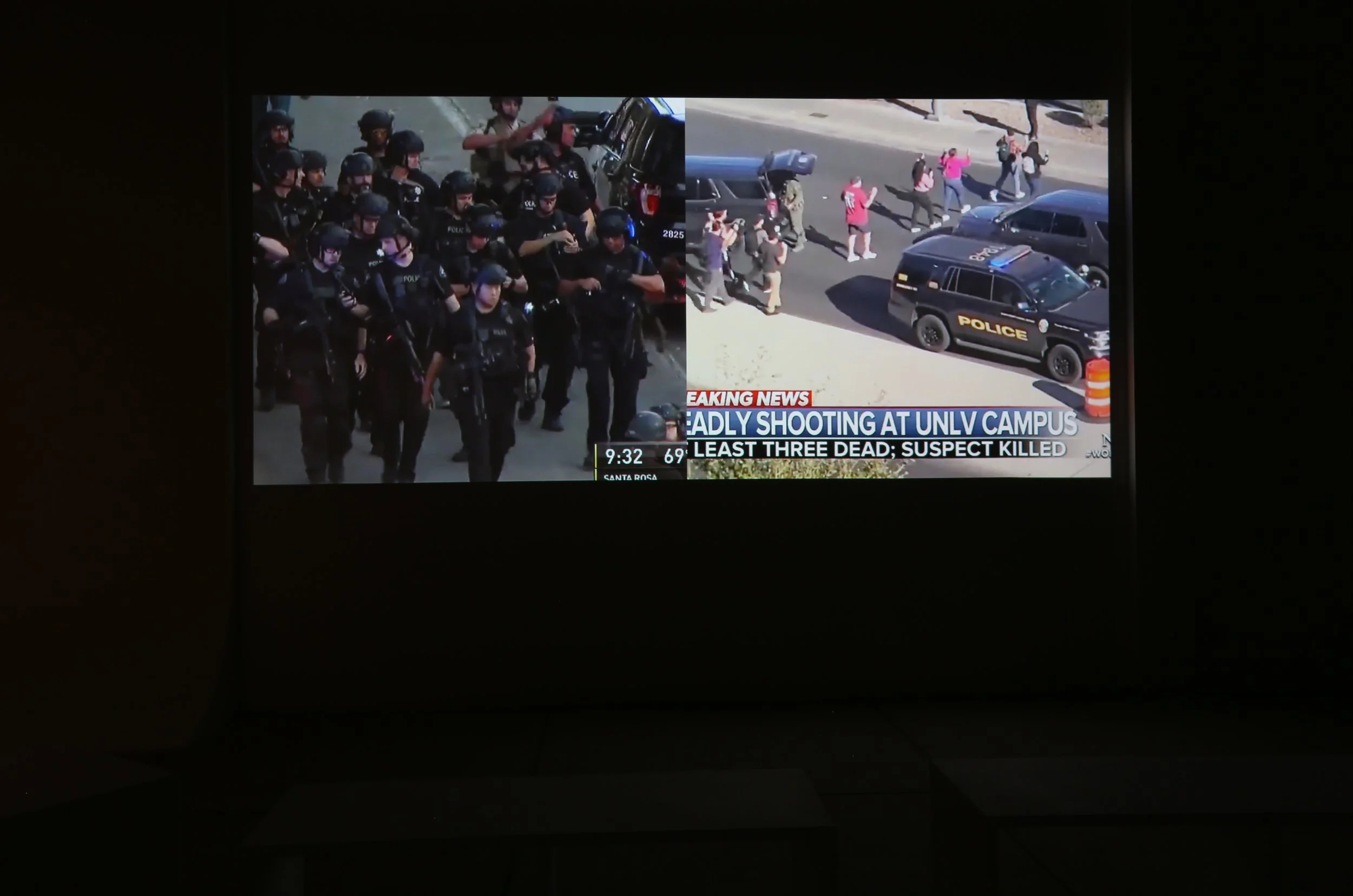
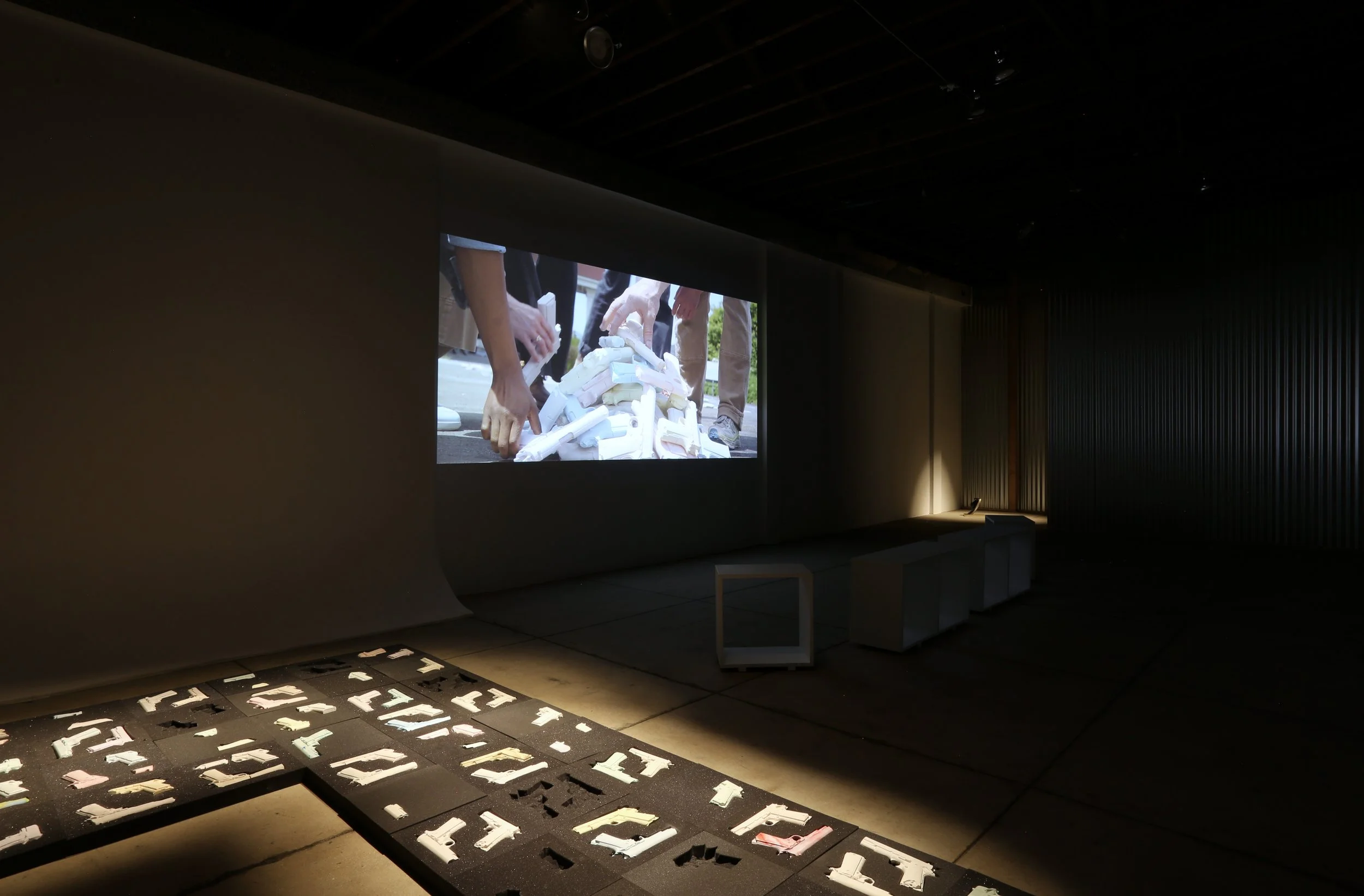
![The Innocence of Unknowing . 2020-Present. Directed by Ryat Yezbick and Milo Talwani, original concept and performance art by Ryat Yezbick. [Installation view/ Night (3).]](https://images.squarespace-cdn.com/content/v1/619c221f6addfe04124c8b97/028a738d-f767-47eb-82fa-599fd77523f1/*COR_install_2dark.jpg)
![The Innocence of Unknowing . [Still-view/ Night (A).]](https://images.squarespace-cdn.com/content/v1/619c221f6addfe04124c8b97/03750154-8d47-4200-b0fd-bc74df95a213/COR_6.jpg)
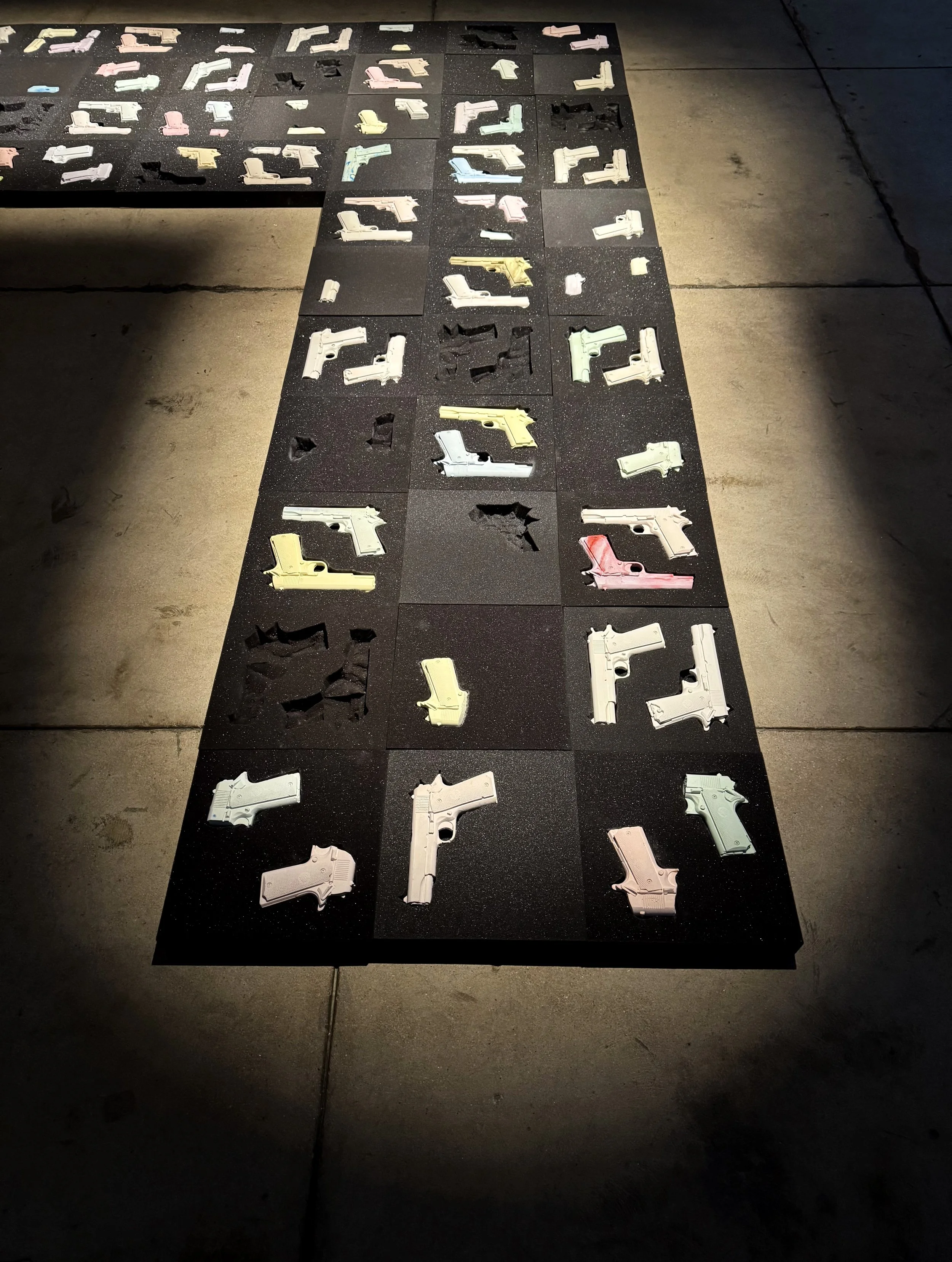
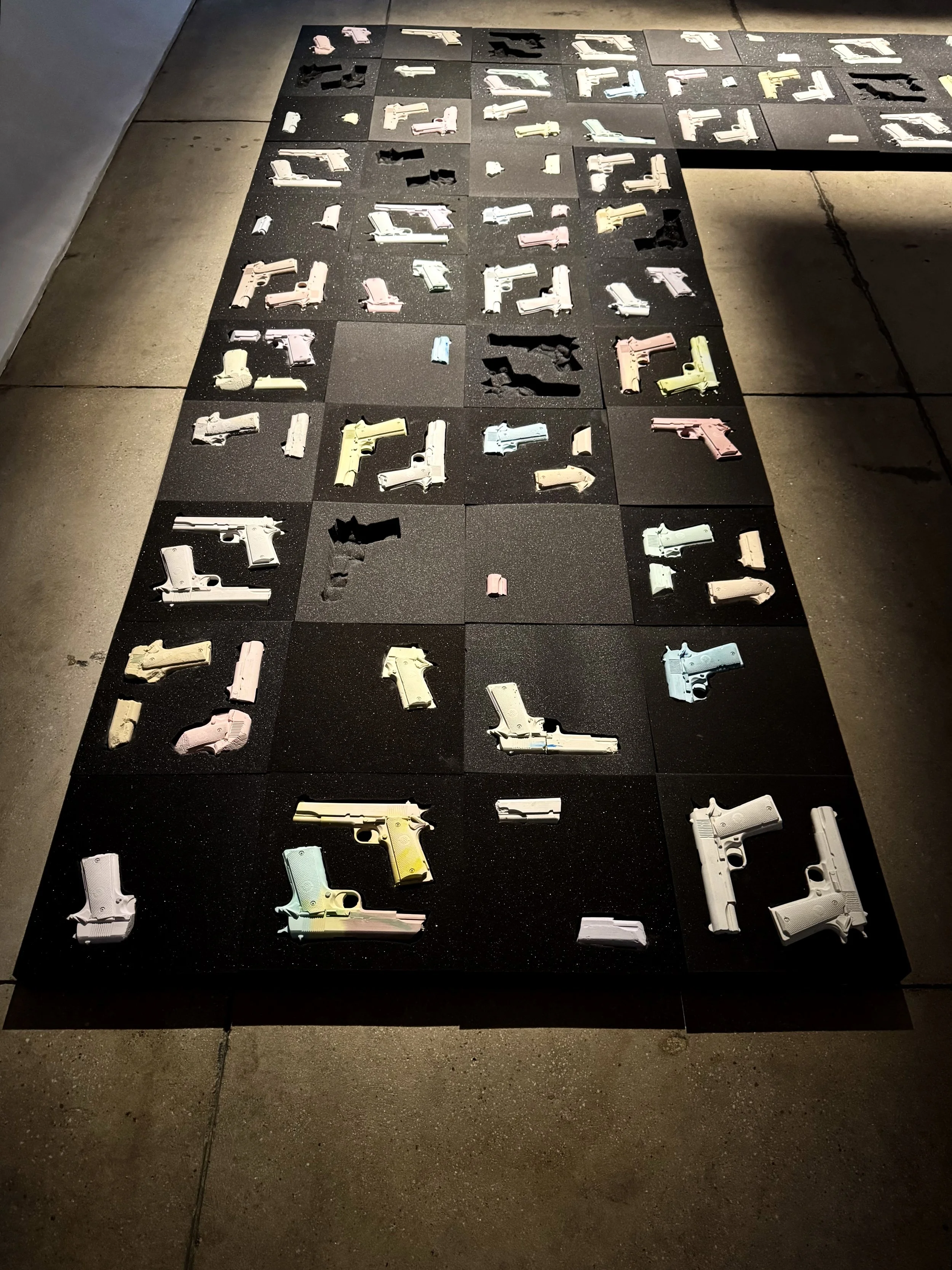
![Inscriptions . 2026. Ryat Yezbick. Chalk, pigment, museum foam. {Remnants of chalk-guns used for as drawing/writing implements in scene from "The Innocence of Unknowing" film.} [Installation view/ Night (4).]](https://images.squarespace-cdn.com/content/v1/619c221f6addfe04124c8b97/14502e01-7210-46cf-9f85-f7754a6ba6de/*COR_chalk+bright.jpg)
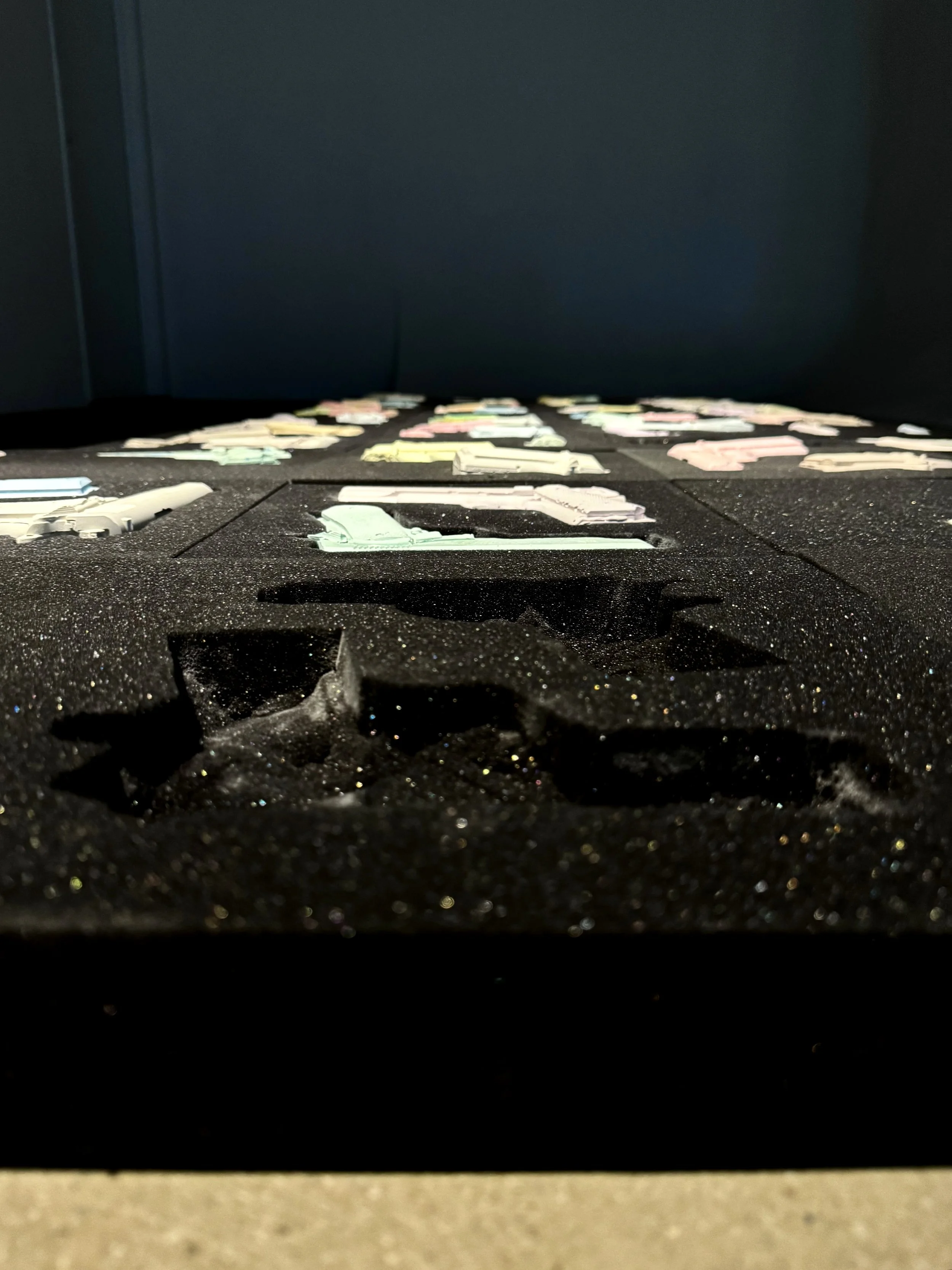
![Inscriptions . [Detail (a).]](https://images.squarespace-cdn.com/content/v1/619c221f6addfe04124c8b97/21aad9e3-ee19-4e37-b601-7585ca842a81/IMG_1459.jpg)
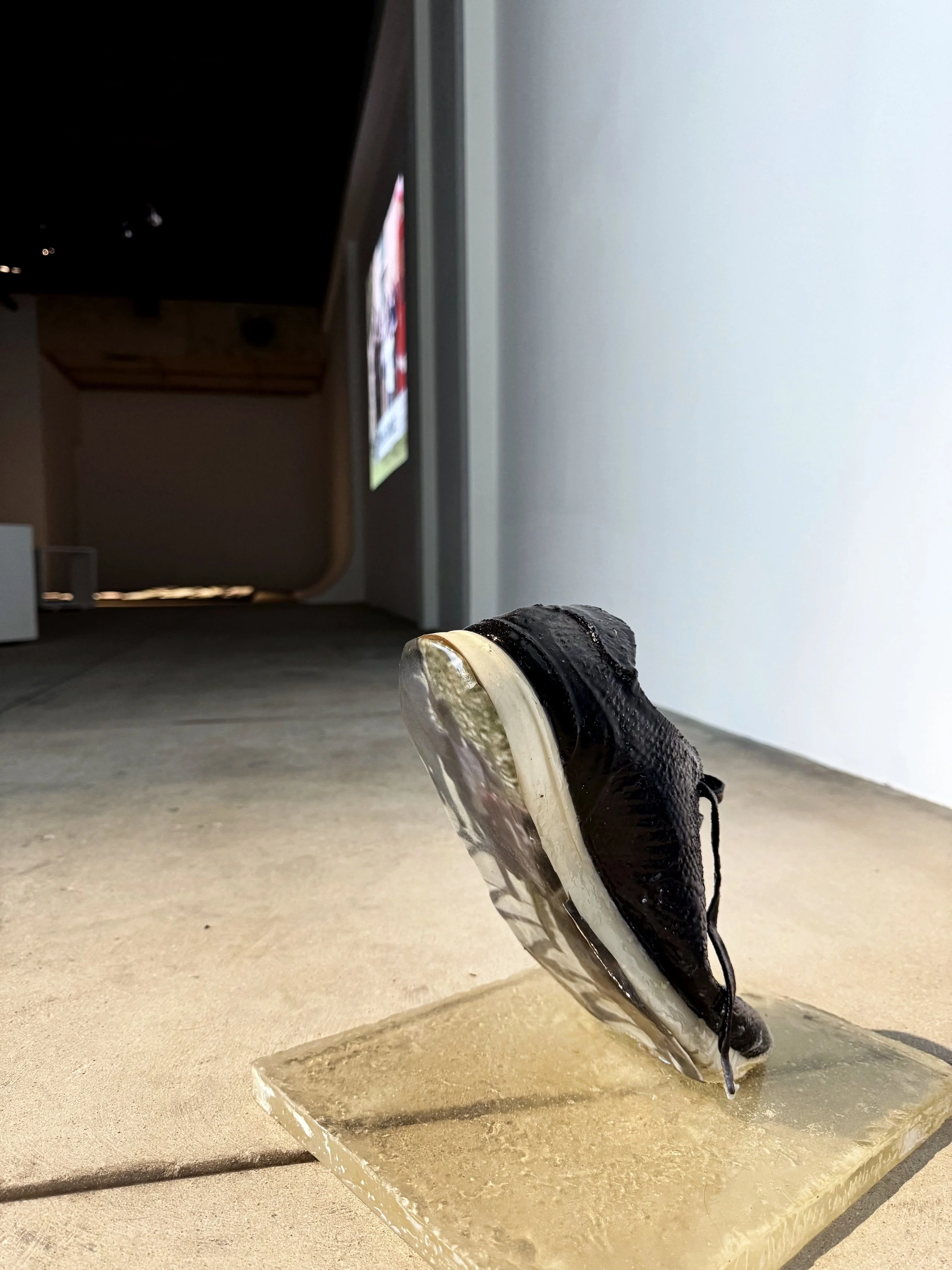
![/ˌɪnˈheɪɫ/ . [Installation view/ Night (9).]](https://images.squarespace-cdn.com/content/v1/619c221f6addfe04124c8b97/bcabd13e-296c-4249-83be-00e5462d5444/*COR_shoe_1dark.jpg)
![Choreographies of Retreat . [Installation view/ Night (15). Still (Y).]](https://images.squarespace-cdn.com/content/v1/619c221f6addfe04124c8b97/16bc41a8-1fd5-46b9-ada5-39c4403683b8/front2.jpg)
![Choreographies of Retreat . Ryat Yezbick. [Installation view/ Day (0).]](https://images.squarespace-cdn.com/content/v1/619c221f6addfe04124c8b97/a63c198c-b260-4d73-88c8-6983ea19e4e6/IMG_1333.jpeg)
![Choreographies of Retreat . Ryat Yezbick. [Installation view/ Day (1).]](https://images.squarespace-cdn.com/content/v1/619c221f6addfe04124c8b97/b29716f6-461e-4b86-8a2e-5337fdb16914/2F61A381-3FC9-4A7C-AE3C-4CB3797A8E25.jpg)
![The Innocence of Unknowing . [Installation view/ Day (3)].](https://images.squarespace-cdn.com/content/v1/619c221f6addfe04124c8b97/05f05929-d71d-4d50-86aa-0fbd785b195b/*IMG_1394.jpg)
![Choreographies of Retreat . Ryat Yezbick. March 07 - April 04, 2026. Spring. Solo. [Social view/ Opening Evening (0).]](https://images.squarespace-cdn.com/content/v1/619c221f6addfe04124c8b97/e6aaaafd-1c71-4943-bd8e-bc8c2bf2be96/3.jpg)
SHUT
Choreographies of Retreat
Ryat Yezbick
Duration: March 07 - April 04, 2026. Spring.
Location: Reisig and Taylor Contemporary (603 N Western Ave, Los Angeles 90004).
Coordinates: 34.08184747711551, -118.30927467084113.
Type: Solo Exhibition.
Thermostat: 68 degrees Fahrenheit.
Announcement: Flyer.
Release: File.
Supplements: Letter from the Artists; Workers Feeling the Factory by Ryat Yezbick (Mimesis: Issue #2 (Winter 2025)); Conversation with ChatGPT.
Reference: Works + Credits.
Publicity: Curate LA; artguide; see/saw.
Press: This Week’s Must-See Art (Curate LA: February 26 - March 7, 2026).
*Documentation: View.
|
Events:
+ [Release] Saturday, March 21 (4 - 6pm): Film Screening + Discussion
+ [Release] Friday, April 03 (6:30pm - 8:30pm): Ryat Yezbick in conversation with Mashinka Firunts Hakopian.
\\\\\
News:
+ The Innocence of Unknowing is featured in the 2026 NewImages Festival Industry days from April 7-10 in Paris. (The film is directed by Ryat Yezbick and Milo Talwani, and is included is Yezbick’s solo exhibition with the gallery: Choreographies of Retreat.)
|
Please contact Emily Reisig with any questions or to request information about the work:
____
Choreographies of Retreat . Ryat Yezbick. March 07 - April 04, 2026. Solo. Spring.
603 N Western Ave, Los Angeles, CA 90004.
34.08184747711551, -118.30927467084113
*Event: Friday, April 03 (6:30pm - 8:30pm): Ryat Yezbick in conversation with Mashinka Firunts Hakopian.
|||||||||||||||||||||||||||||||||||||||||||||||||||||||||||||||||||||||||||||||||||||| |||||||||||||||||||||||||||||||||||||||||||||||||||||||||||||||||||||||||||||||||||||||||||||
Choreographies of Retreat
Reisig and Taylor Contemporary is presenting Choreographies of Retreat by Ryat Yezbick. This exhibition continues their ongoing project The Innocence of Unknowing (2020–present), which premiered at the 2025 Tribeca Festival Immersive program as an archival documentary, essay film, and live performance in collaboration with Milo Talwani and a specially trained AI humanities scholar named “Aurora.” For this installation of the project evolved (site-specifically) for the gallery at 603 N Western Avenue in Los Angeles, the expanded cinematic work extends through new video and performance pieces, as well as sculpture and photographic media.
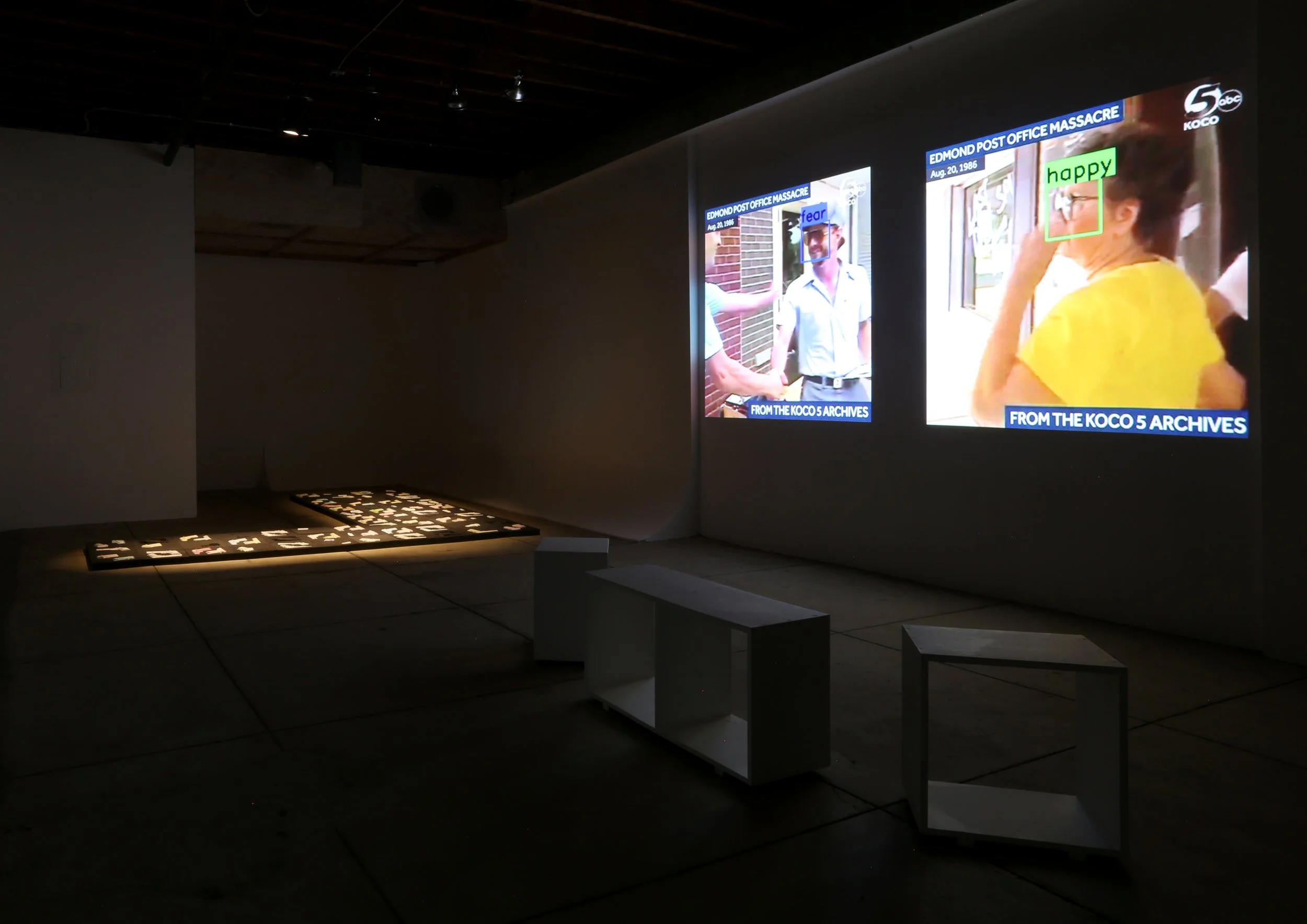
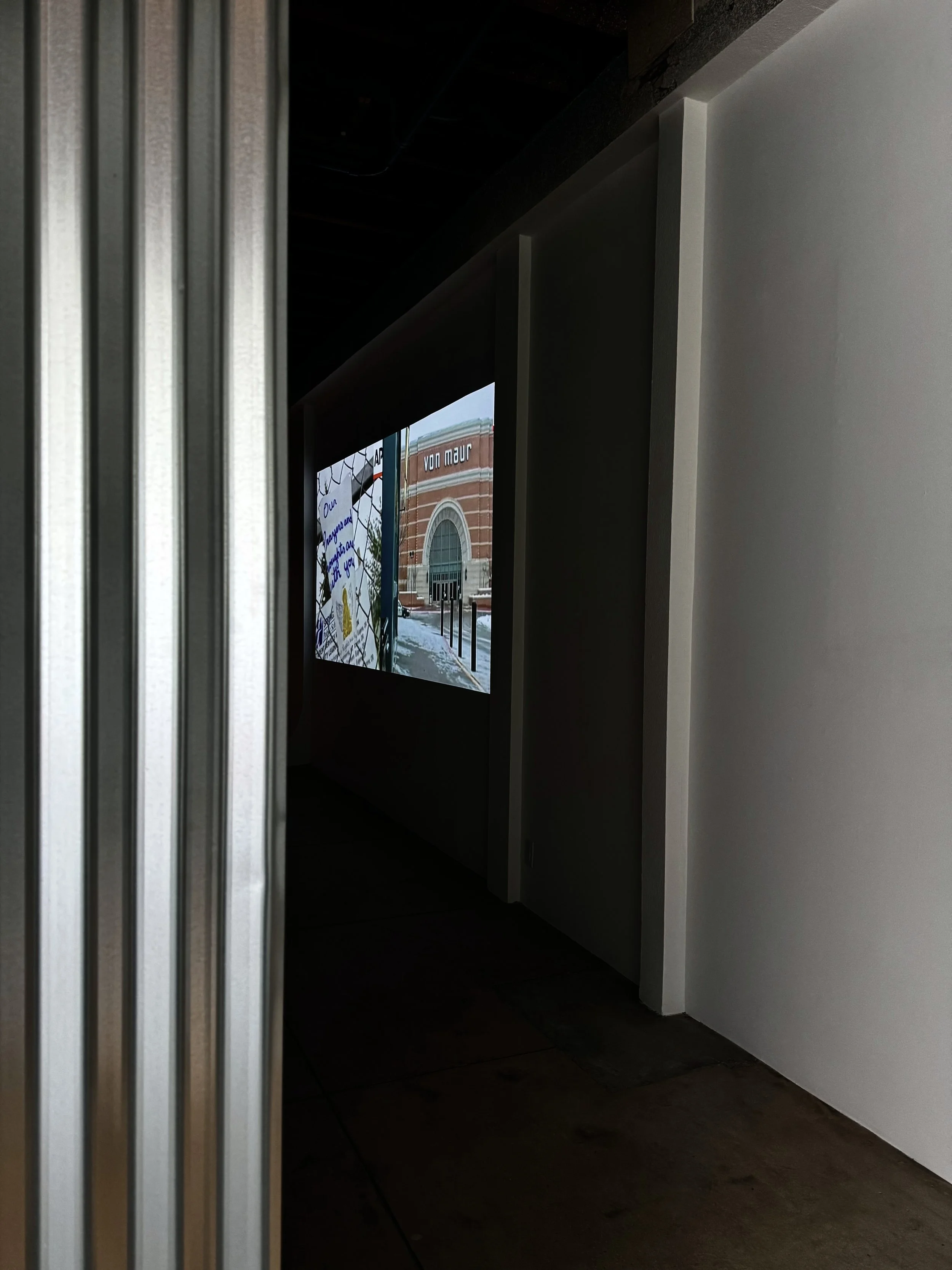
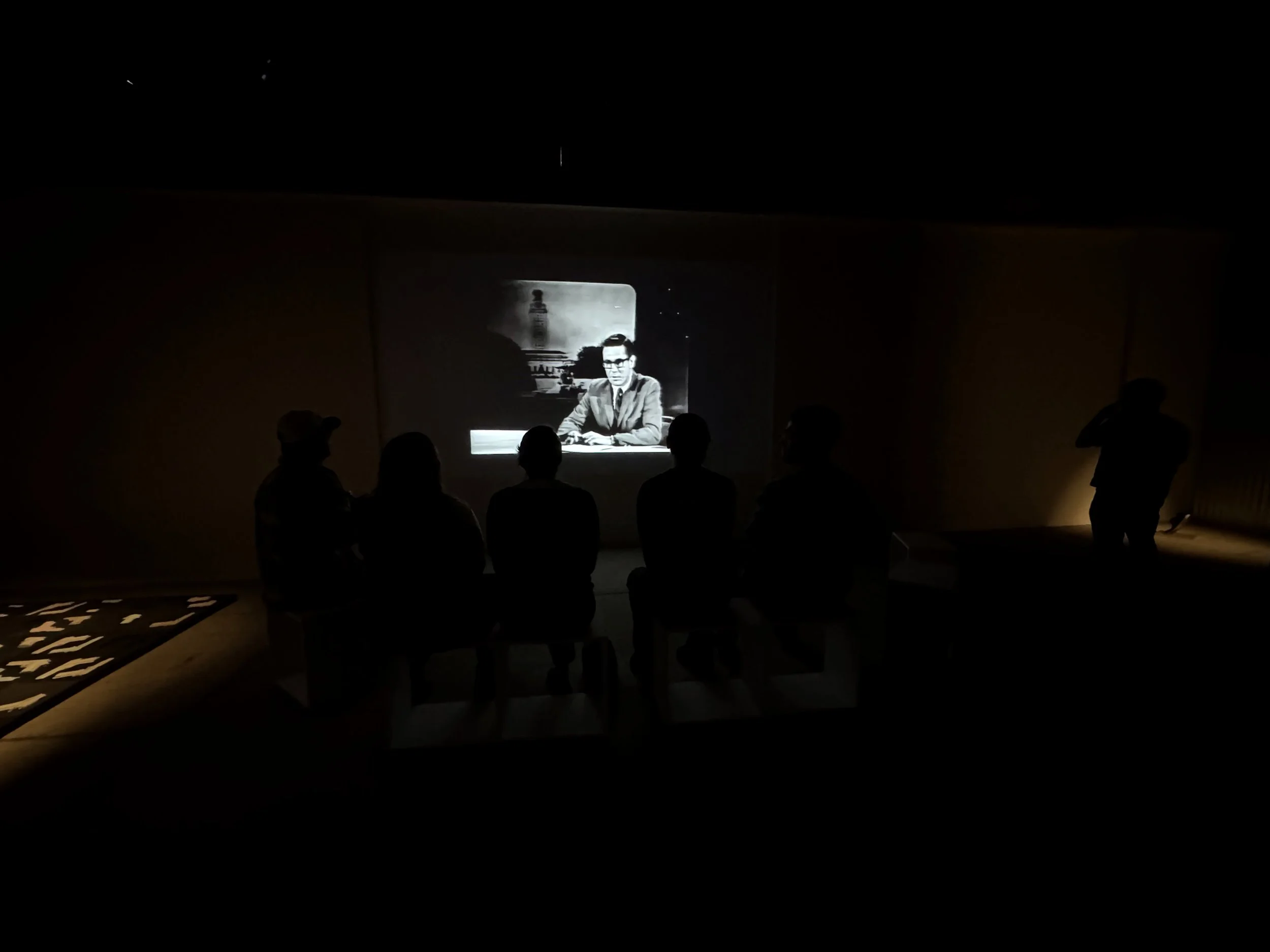
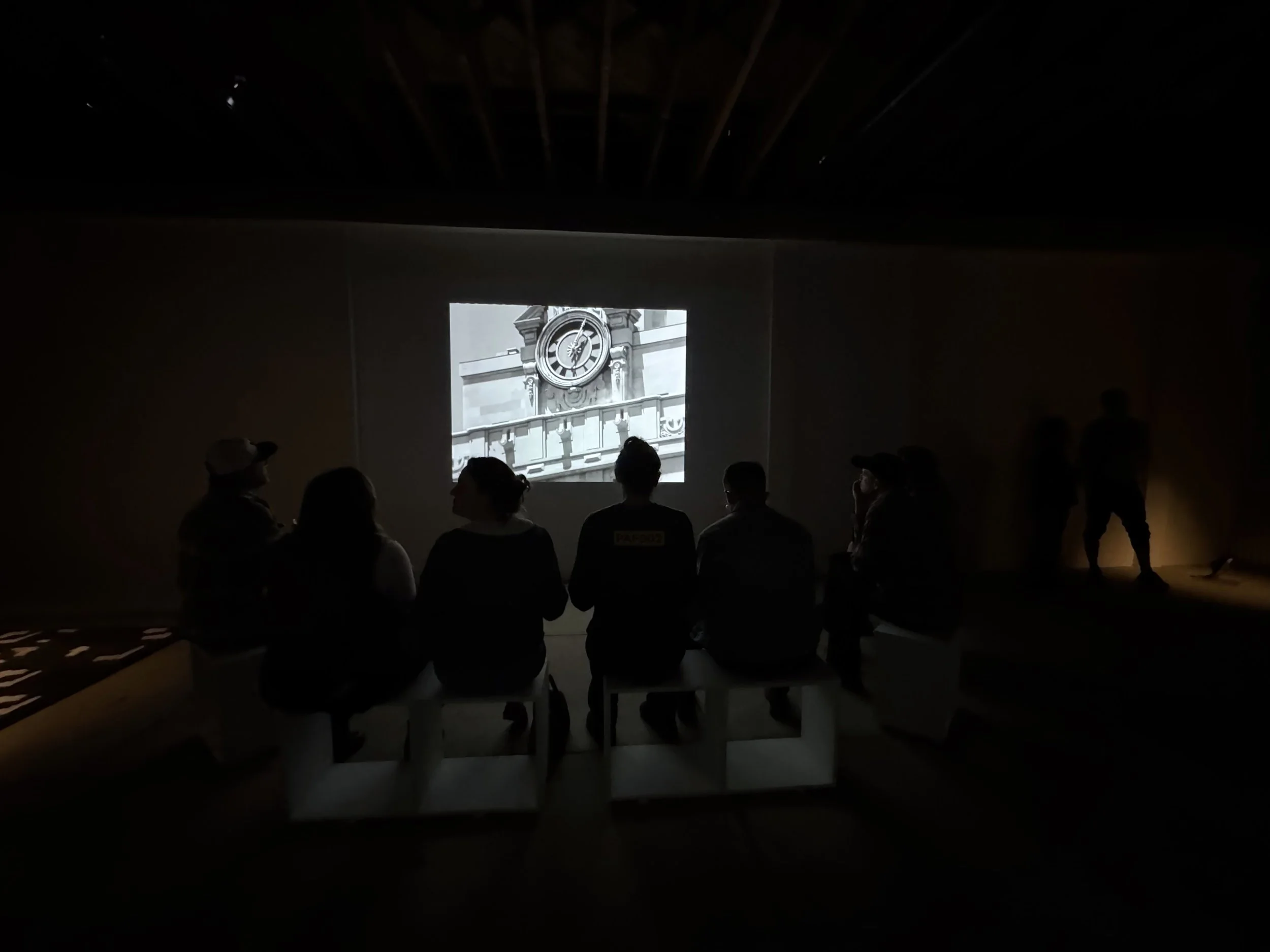
Developed through archival analysis of mass shootings in the United States, the social, historical, and geopolitical scope of the project rewinds from the present moment to the mid-1960s—spanning more than 700 news clips over nearly 60 years (starting with the University of Texas at Austin “tower shooting” in 1966). But the work is not primarily engaged with the accumulation of this footage, nor the particular violence or criminal status of the perpetrator of these events. Instead, the problems and questions guiding the project are focused on the optics, medias, technologies, rhetorics, controls, and repeated (bodily) gestures embedded within—and circulating throughout—the sensationalized scenes and selective documentations of mass shootings in the U.S.: “By removing perpetrators entirely, the project shifts attention to the relationship between the state, victims, and spectators, asking how U.S. media culture repeatedly stages innocence, compliance, and authority.” With this shift, the work unwinds the vulnerable place of a body along these discrete but interconnected positions and discourses of collective memory, media coverage (‘news’), mass surveillance, and “choreographies of retreat”—or, “the repeated bodily gestures—hands raised, bodies herded, movement arrested—that appear across decades of crisis footage.”
At the same time, this project necessarily works-through the complex translations between events, spectacles, records (or accounts), and the public distribution of information as visual materials and languages. These problems of translation and transmission pose questions of how we (as spectators, observers, viewers, audiences) see ourselves watching, or watch ourselves looking—questions about the kinds of mirrors we make and shatter through a collective un/consciousness of mass shootings and gun violence. Questions of how we are conditioned and what we are taught through repetitions of mass watching. Questions of why these events are seen and categorized the way they are. (For example, why are ‘mass shootings’ marked as distinct from acts of terrorism?) Here, the role of the mirror is performed by Aurora the AI humanities scholar developed for the project through a training based on a series of humanities texts. Usually, or at least at the level of its corporate-industrial complex, AI is a data-sorting tool and a predictive model (and, more and more often, a weapon of mass surveillance). However, Aurora’s humanities-based training sets up the possibility of working with AI as an ethical envoy into our own systems of power, with its education “enabling it to generate frame-level analysis and metadata [of the archival footage] that foreground structural power, racialization, and normativity.” A mirror for the frame-by-frame mis en abyme of the ‘mass’ populating any individual reality (and its choreographies between others).
Between these tangled systems, subjects, and scenes, the variable mediums of the exhibition make-room for what is usually pushed beyond the gazed boundaries of ‘the picture,’ collapsing the media’s forgetful distance between audiences and victims. Making-room for kinds of collective memory that are not pre-fabricated en masse, making-room for a conscious, desublimated and non-passive processing of the violence of mass shootings—and “the fear, flight, and immense sorrow and pain”—they inflict and portray. Between a lived experience and its doubles.
[File]
__________________________________________________
|
Ryat Yezbick is a visual artist who uses their training in cultural anthropology to inform the issues they tackle as a maker. Yezbick investigates technology's impact on group identity, morals, and collective memory through public archives and collaborations. Figuring their lived experience in their work, they address a complex set of questions around security, gender, home, family, love, violence, power, and responsibility in the era of digital surveillance and decentralized global conflict. They work in a variety of mediums – notably live performance, experimental documentary, installation and new media – that have garnered support from audiences and curators internationally. They are a published author, multi-time grant recipient, art and technology consultant, and academic in the Narrative and Emerging Media (NEM) Program at Arizona State University (ASU). In 2016, Yezbick began their career in emerging digital media as an assistant curator for the New Frontier exhibition at the Sundance Film Festival. Since then, they have designed and curated future-oriented programming for notable institutions and philanthropic foundations including The Music Center, the Guild of Future Architects, the Doris Duke Foundation, Rockefeller Foundation, the Omidyar Network and more. Today, they work as faculty for the NEM program at ASU’s downtown Los Angeles campus teaching classes on various topics in art, technology, and ethics. Yezbick's art career includes solo exhibitions in Los Angeles, Melbourne, Glasgow, and Athens, and in notable group exhibitions and performances at the Los Angeles Philharmonic (Los Angeles), REDCAT (Los Angeles), Materials & Applications (Los Angeles), Human Resources (Los Angeles), The Akademie Schloss Solitude (Stuttgart), The Indianapolis Museum of Contemporary Art, Glasgow International 2018 (Glasgow), The Banff Center for the Arts and Creativity (Banff), Gertrude Contemporary (Melbourne), Space One (Seoul), the Bangkok Biennial MAHA Pavilion (Bangkok), LAXART (Los Angeles), Craft Contemporary Museum (Los Angeles), the Queer Biennial (Los Angeles), and TRIBECA Immersive 2025 (New York).
....
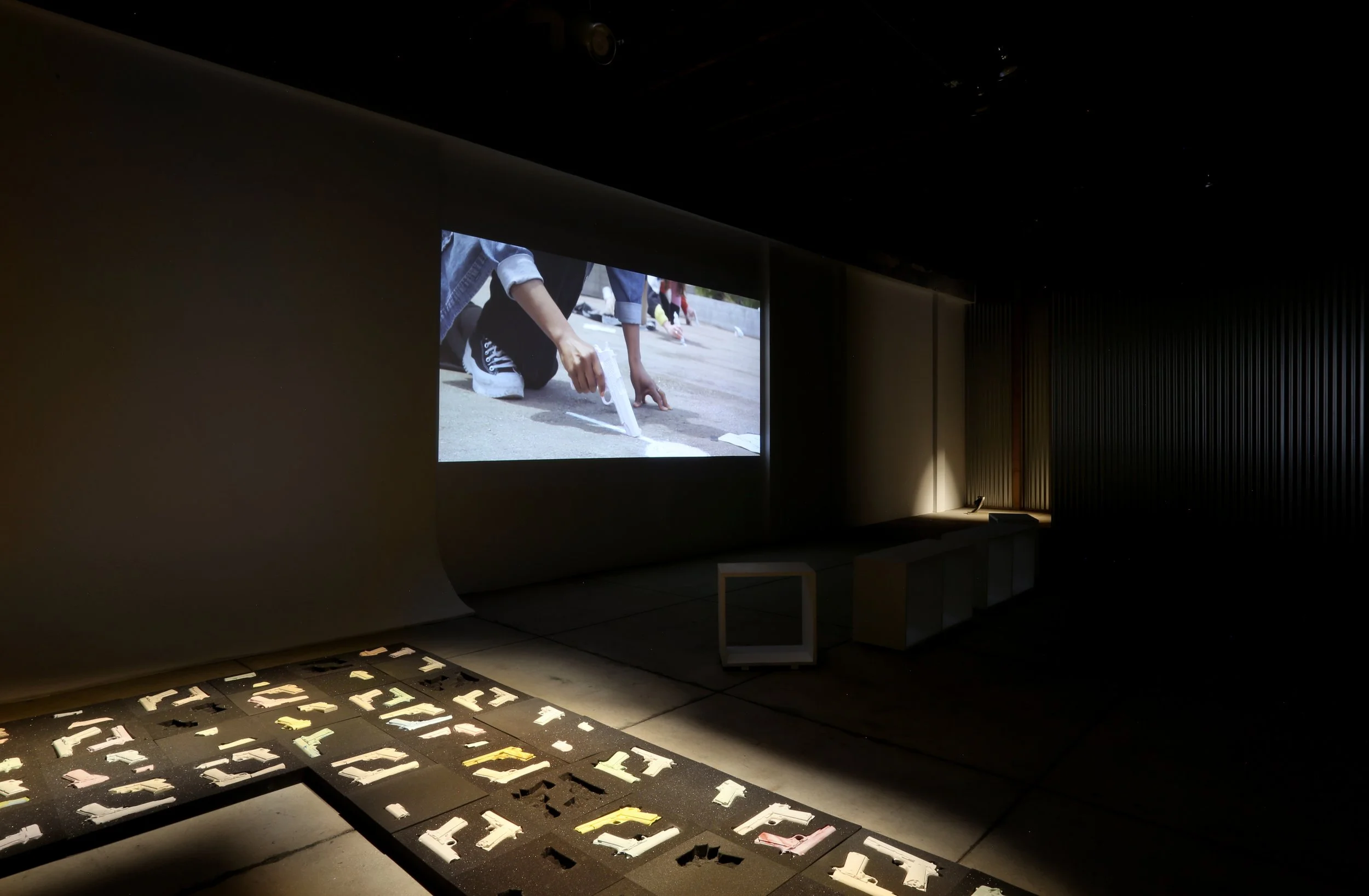
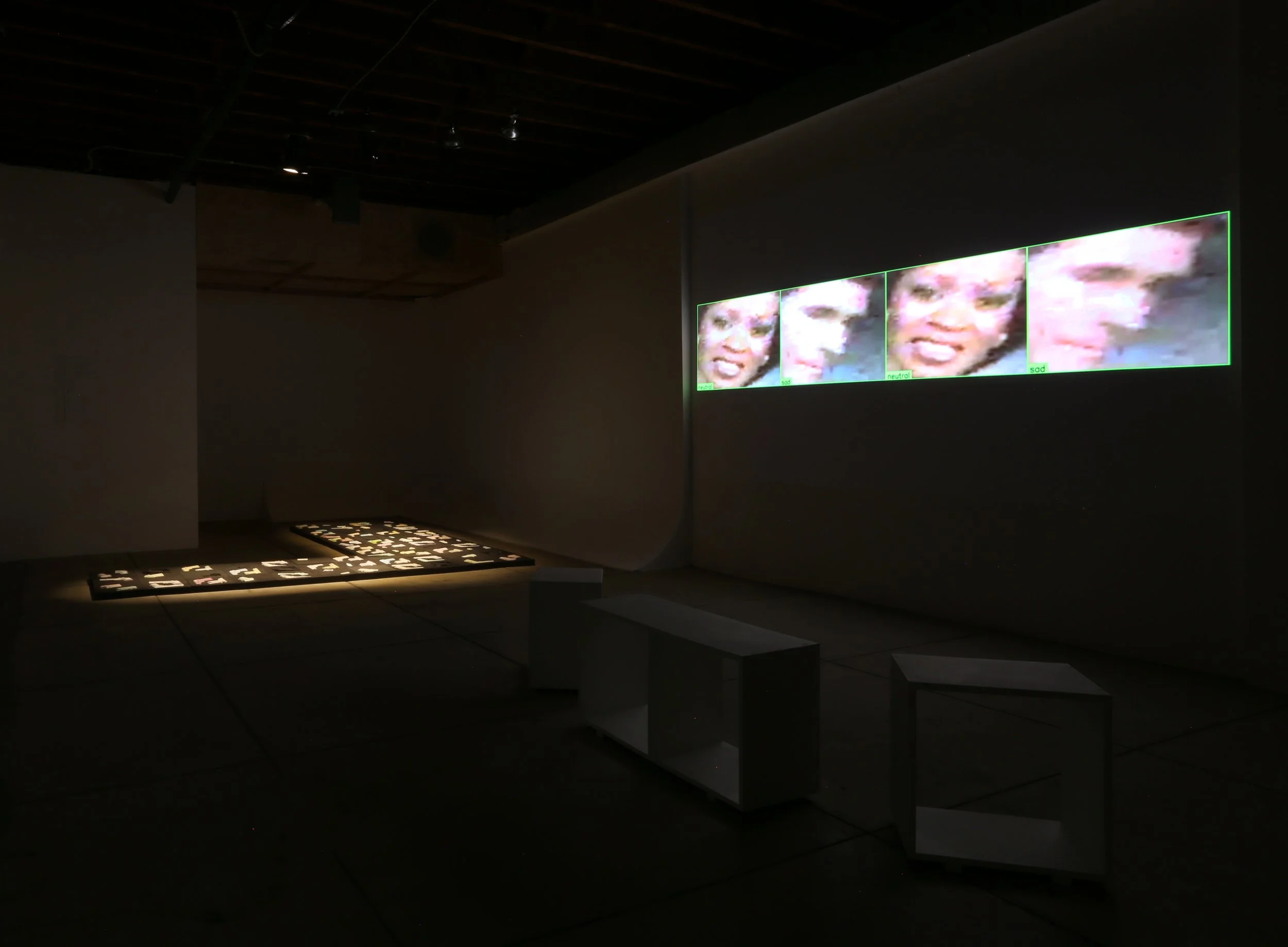
Choreographies of Retreat . 2026. Ryat Yezbick. TV, HD video, performance, volumetric images. [Installation view/ Night (0). Still (Z).]
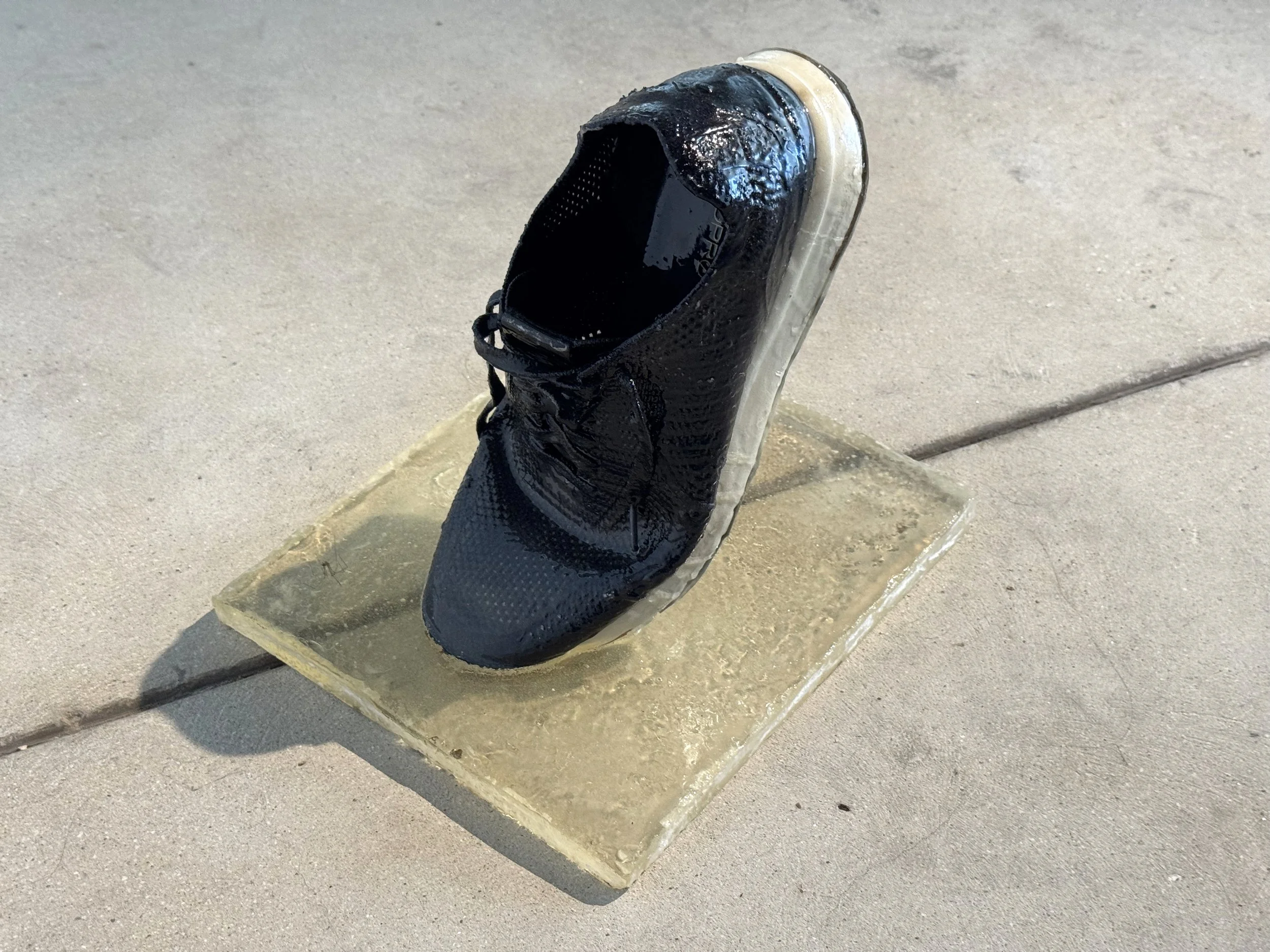
/ˌɪnˈheɪɫ/ . 2026. Ryat Yezbick. Materials: Shoe, resin, photograph. [Installation view/ Night (1).]
/ˌɪnˈheɪɫ/ . [Detail (a).]
Detail (b).
Choreographies of Retreat . Ryat Yezbick. March 07 - April 04, 2026. Spring. Solo. [Installation view/ Night (2).]
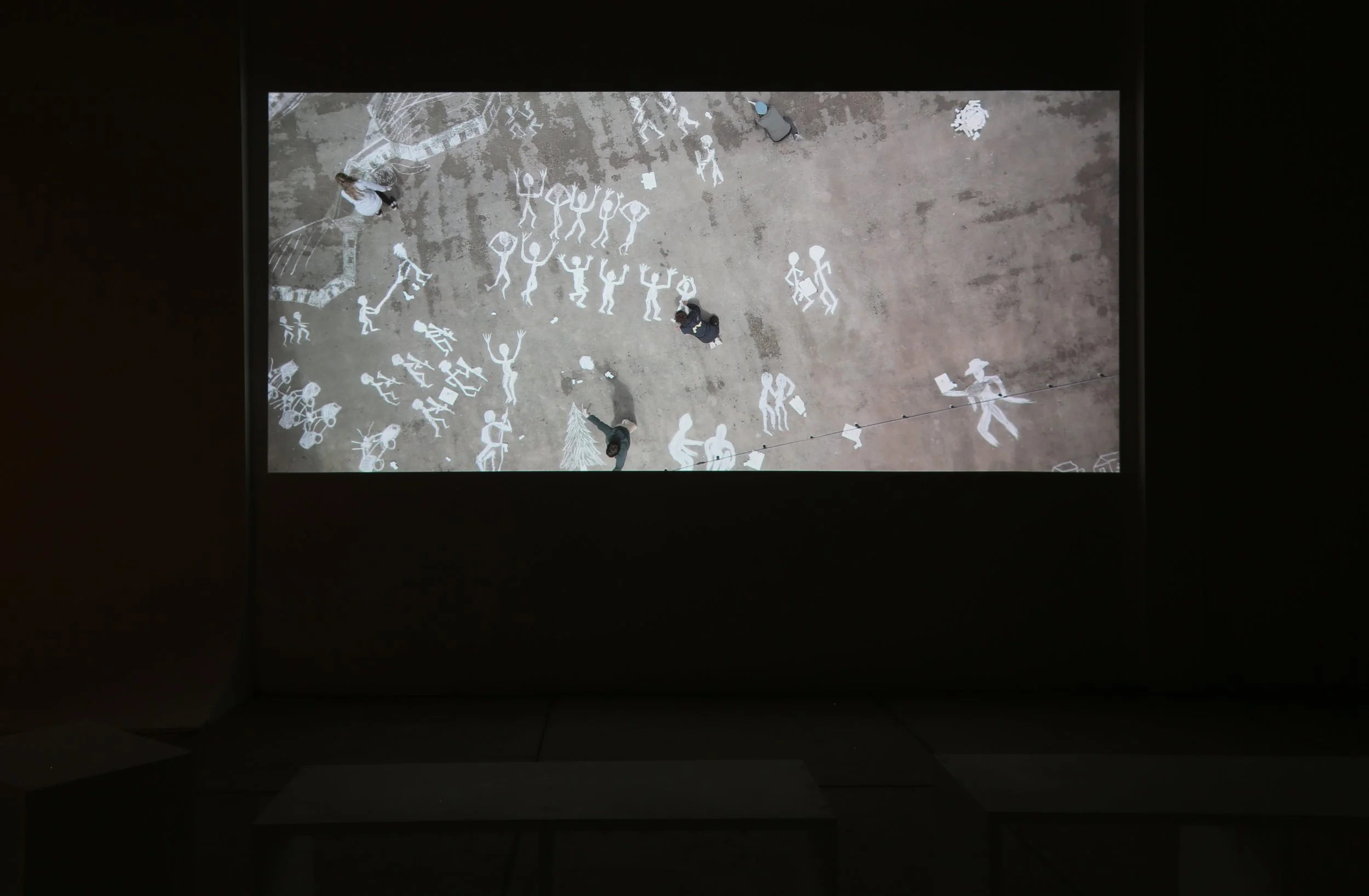
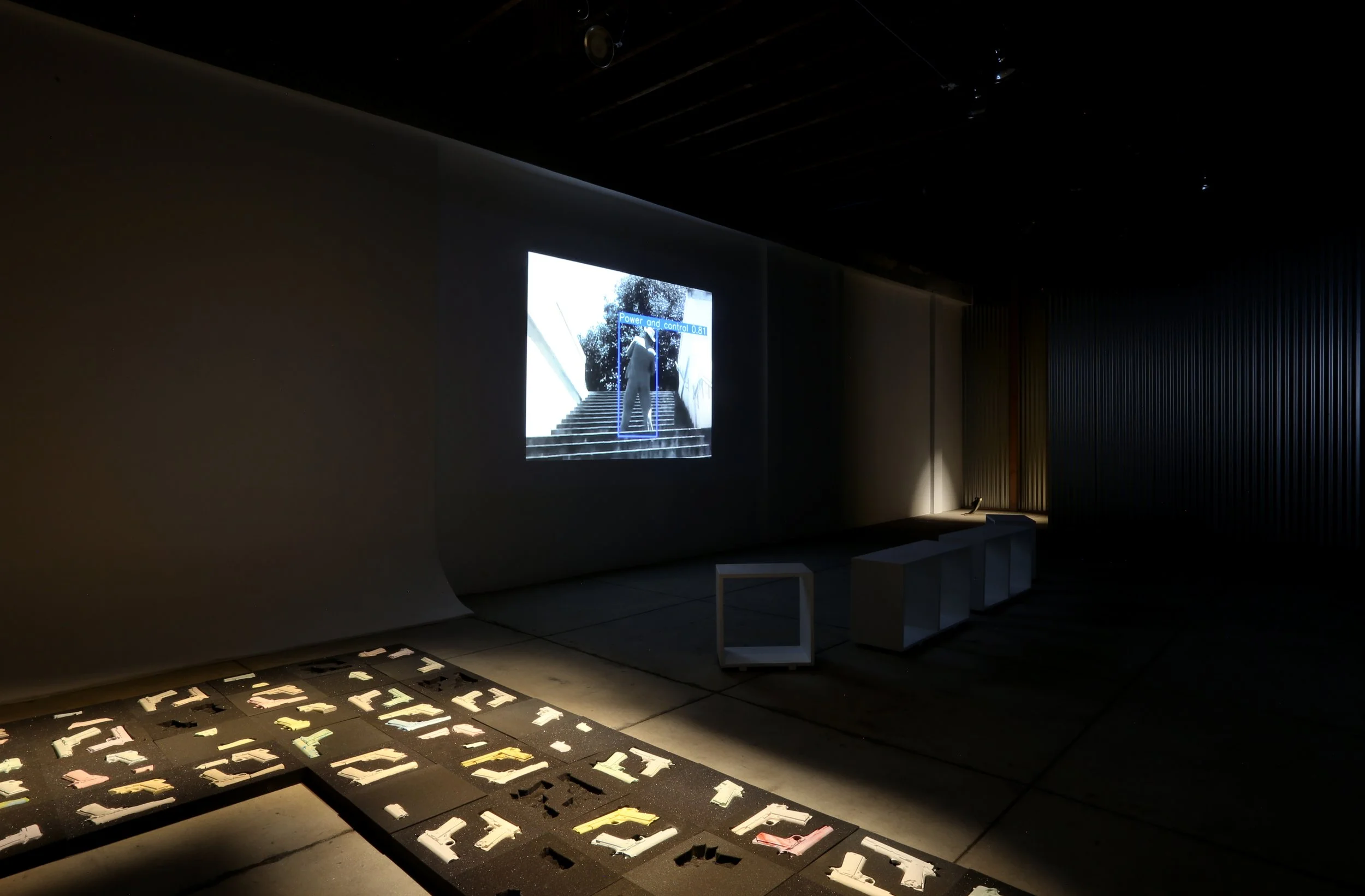
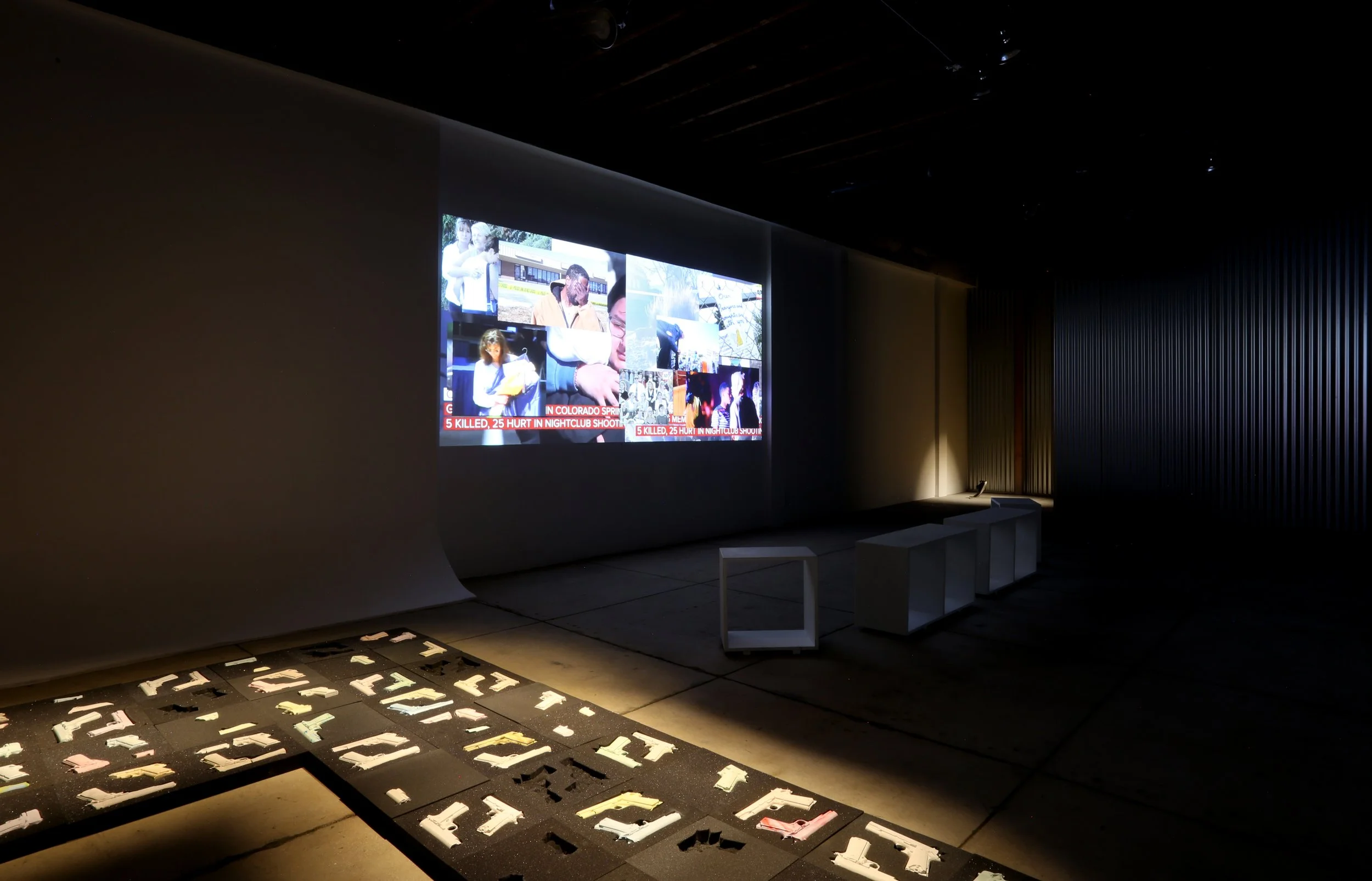
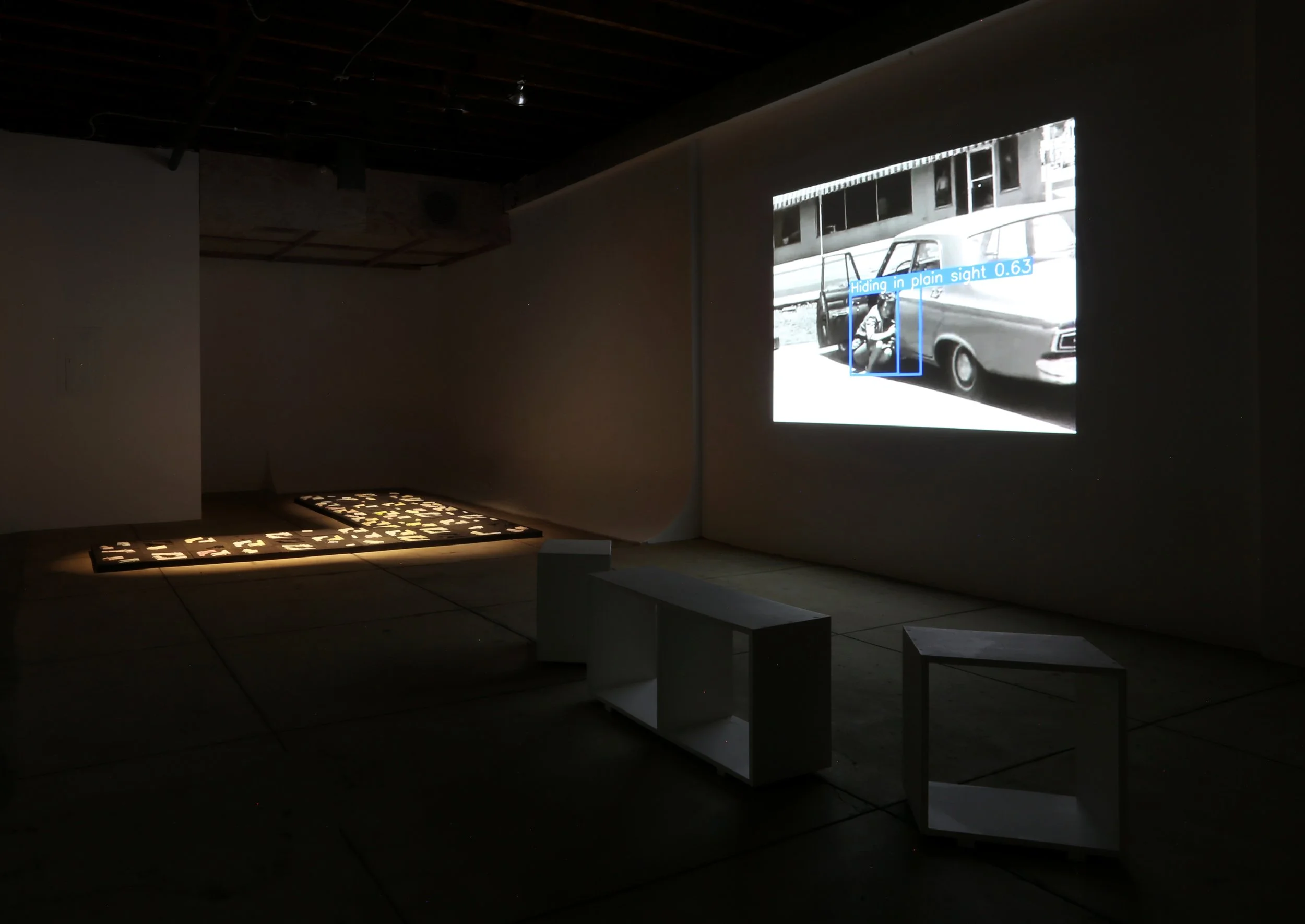
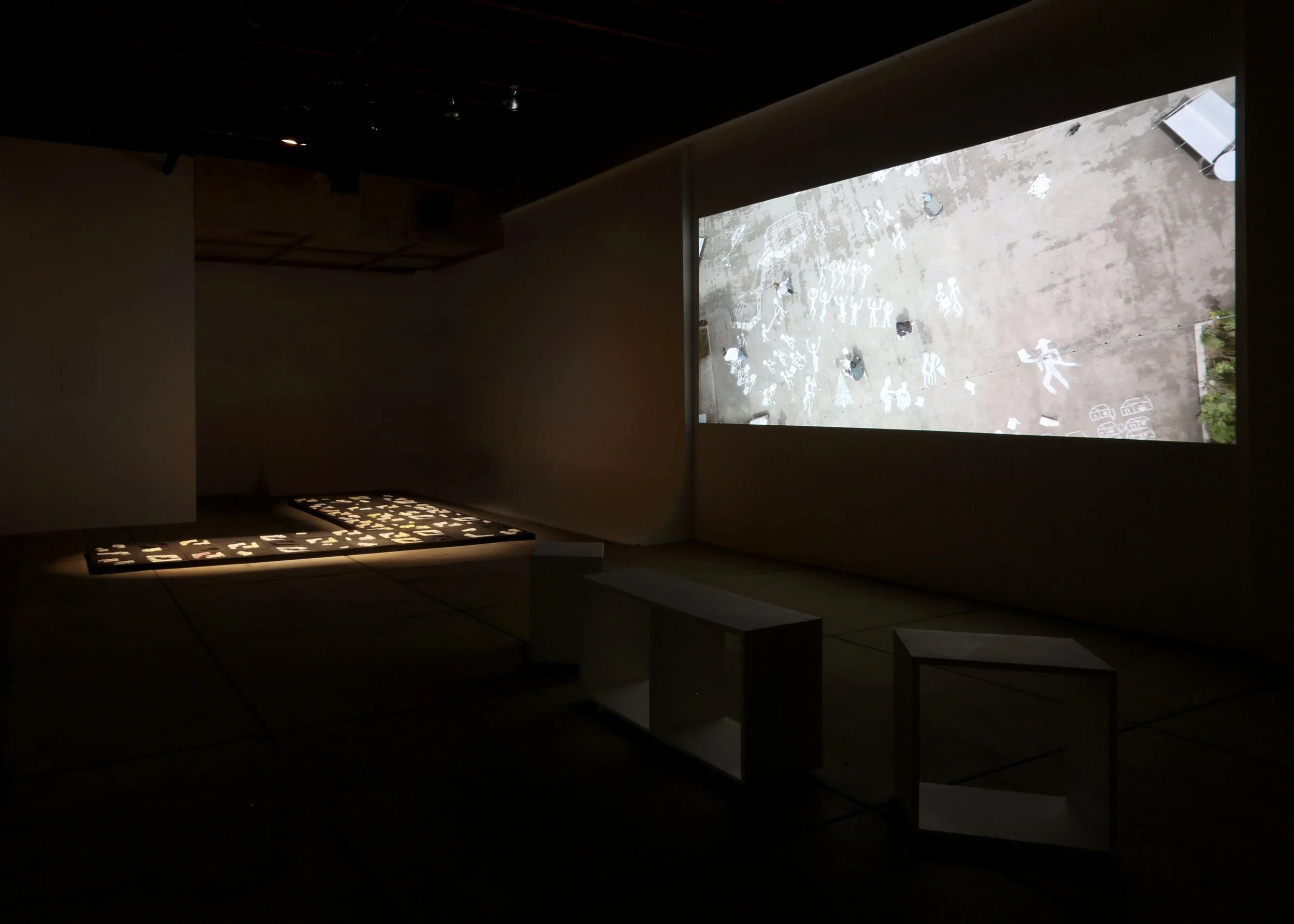
The Innocence of Unknowing . 2020-Present. Directed by Ryat Yezbick and Milo Talwani, original concept and performance art by Ryat Yezbick. [Installation view/ Night (3).]
The Innocence of Unknowing . [Still-view/ Night (A).]
Still-view/ Night (B).
Still-view/ Night (C).
Still-view/ Night (D).
Still-view/ Night (E).
Still-view/ Night (F).
Still-view/ Night (G).
Still-view/ Night (H).
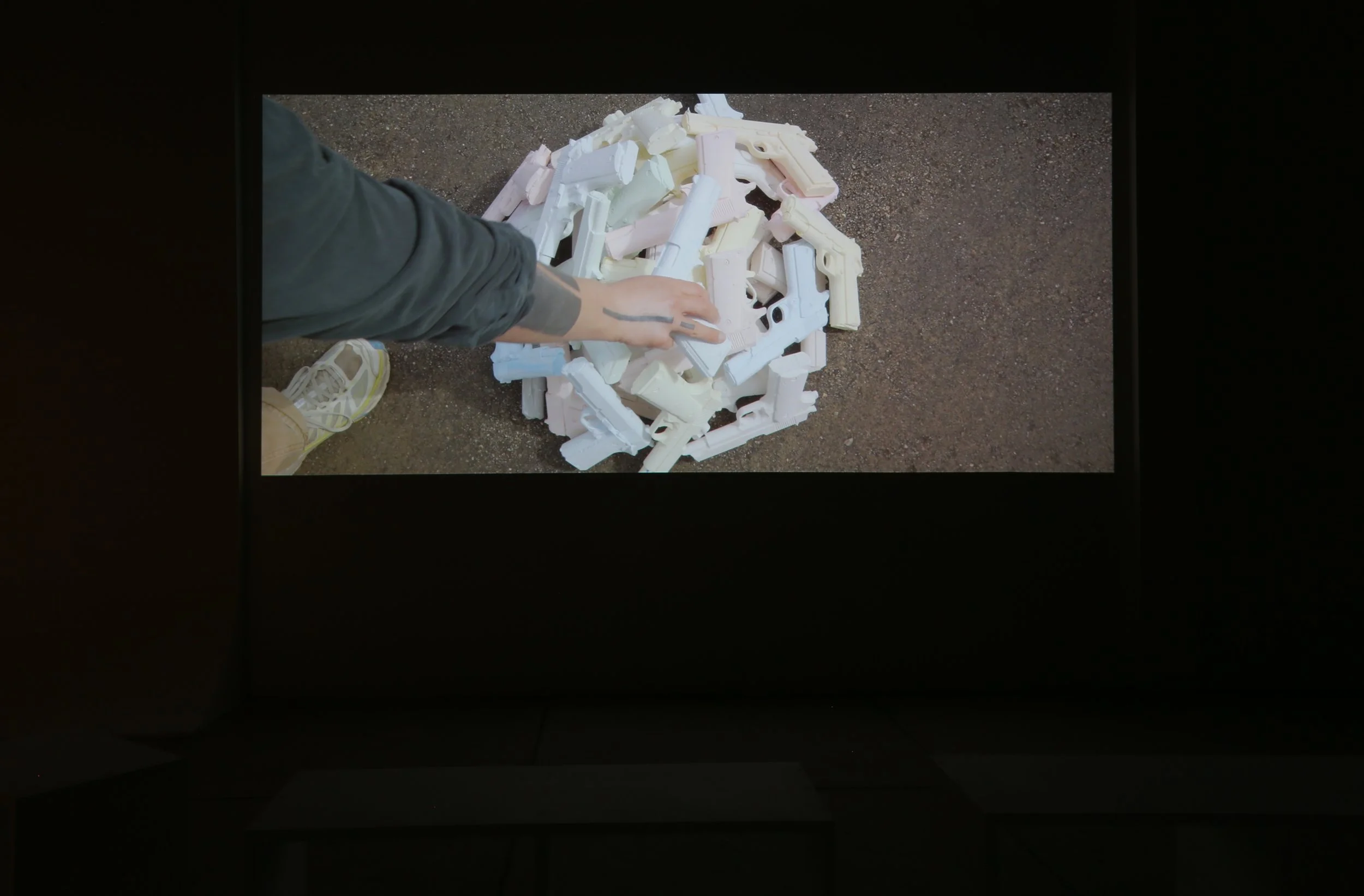
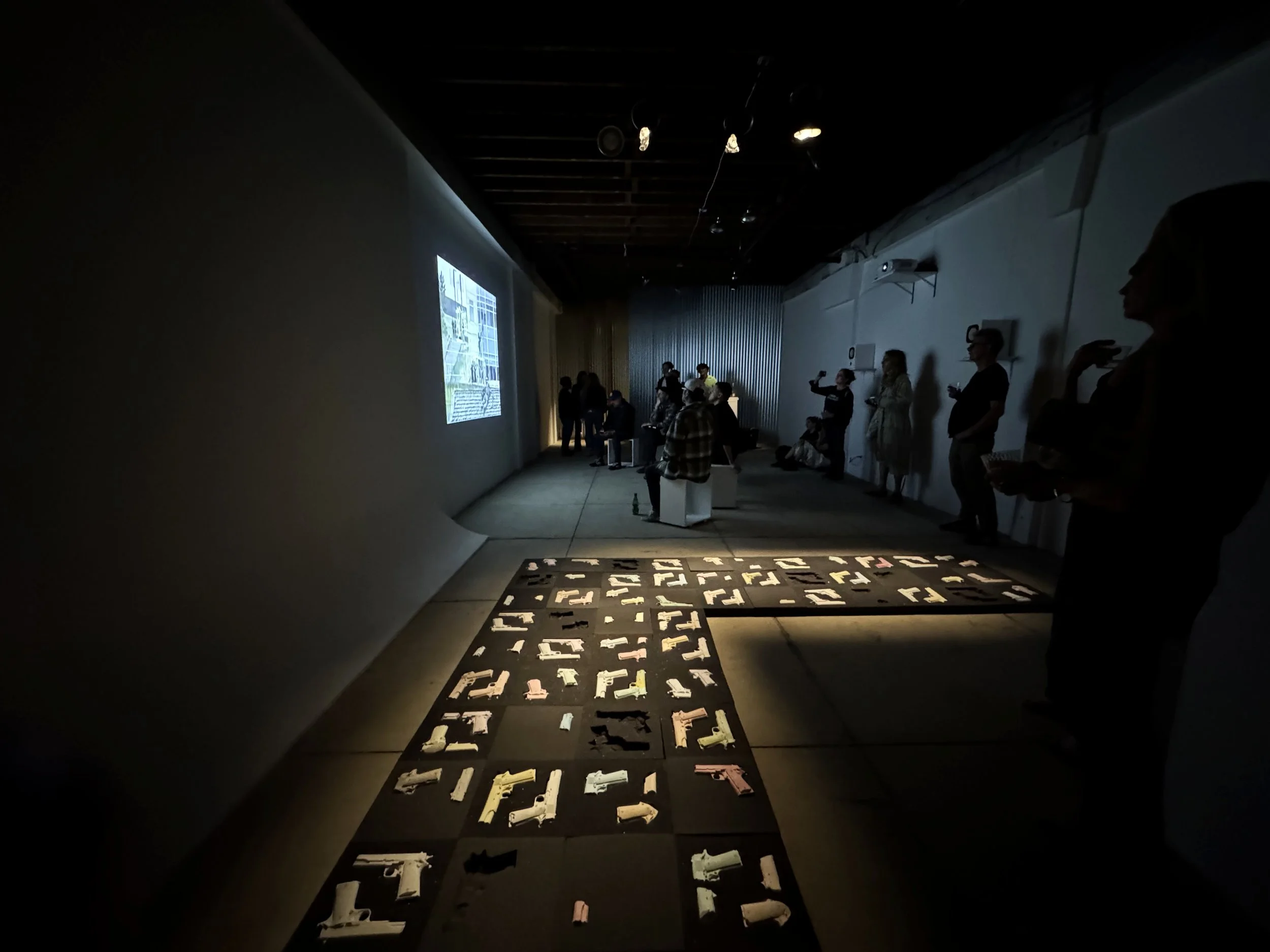
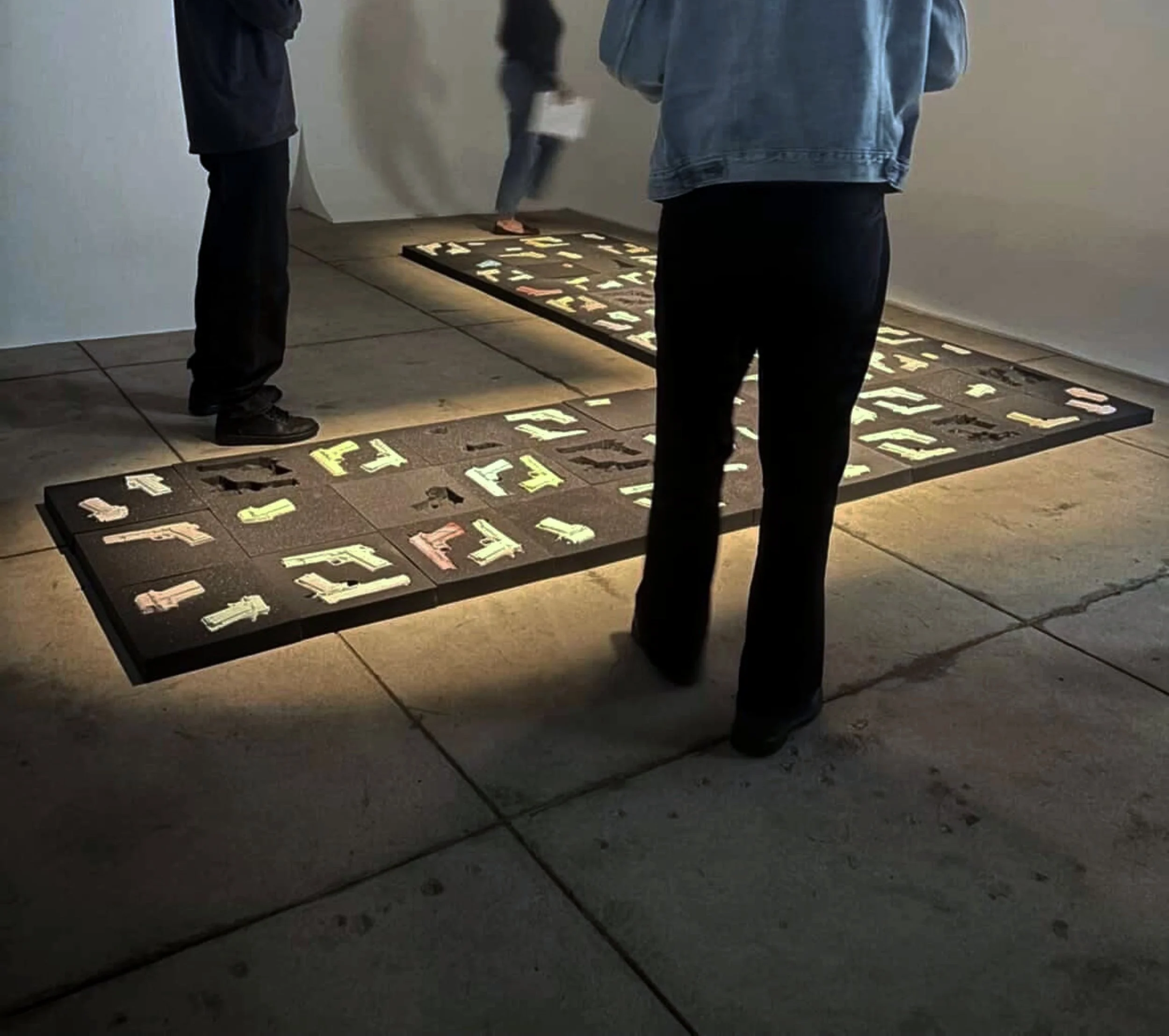
Inscriptions . 2026. Ryat Yezbick. Chalk, pigment, museum foam. {Remnants of chalk-guns used for as drawing/writing implements in scene from "The Innocence of Unknowing" film.} [Installation view/ Night (4).]
Inscriptions . [Detail (a).]
Detail (b).
Detail (c).
Detail (d).
Night (5).
Night (6).
Night (7).
Night (8).
/ˌɪnˈheɪɫ/ . [Installation view/ Night (9).]
Detail (c).
Detail (d).
Night (10).
Night (11).
Night (12).
Night (13).
Night (14).
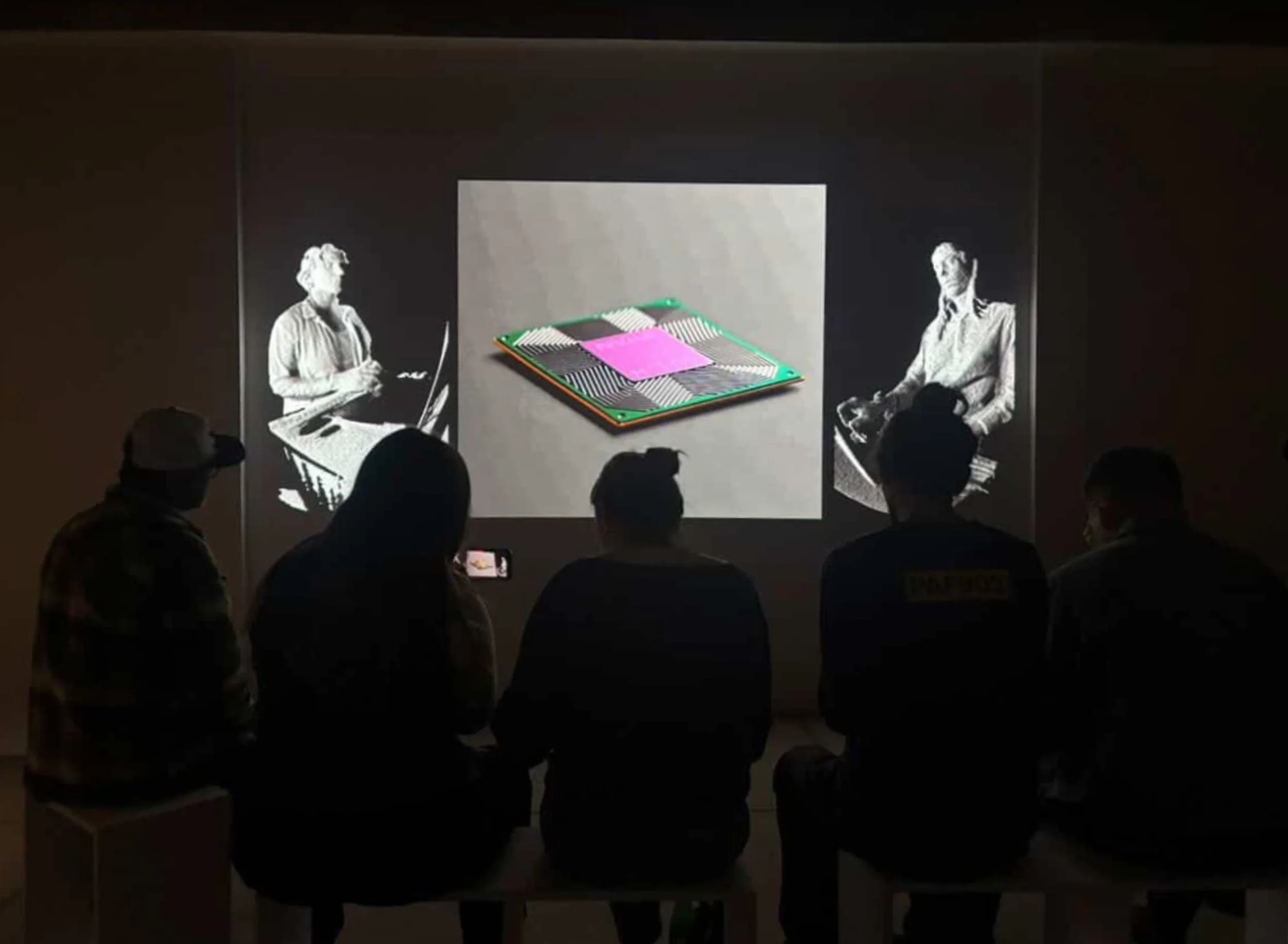
Choreographies of Retreat . [Installation view/ Night (15). Still (Y).]
Choreographies of Retreat . Ryat Yezbick. [Installation view/ Day (0).]
Choreographies of Retreat . Ryat Yezbick. [Installation view/ Day (1).]
Day (2).
The Innocence of Unknowing . [Installation view/ Day (3)].
Choreographies of Retreat . Ryat Yezbick. March 07 - April 04, 2026. Spring. Solo. [Social view/ Opening Evening (0).]
Social view/ Opening Evening (1).
Social view/ Opening Evening (2).
Social view/ Opening Evening (3).
Social view/ Opening Evening (4).
Social view/ Opening Evening (5).
Social view/ Opening Evening (6).
__________________________________________________
WORKS + CREDITS
_ _
{Video in front of gallery}
Title: Choreographies of Retreat
Credits: Directed and choreographed by Ryat Yezbick, performed by mia simonović, Nathaniel
Whitfield, Matt Savitsky, Cat Mahatta, volumetric imagery by Ashley Buschhorn, additional volumetric
imagery by Leo Danenkov, camera by Rogerio Bie de Moura
Materials: TV, HD video, performance, volumetric images.
Run time: 8 minutes and 32 seconds.
|
{Sculpture in front walkway}
Title: /ˌɪnˈheɪɫ/
Materials: Shoe, resin, photograph.
////
{Video in central room of gallery}
Title: The Innocence of Unknowing
Credits: Directed by Ryat Yezbick and Milo Talwani, original concept and performance art by Ryat
Yezbick, edited by Ryat Yezbick, Milo Talwani, Linda Franke and Cary Cronenwett, music composition
by James Rushford, technical direction by Milo Talwani
Medium: Computer vision, SD and HD archival footage, volumetric images, chalk guns,
Run time: version 1 - 45 minutes and 33 seconds, version 2 – 51 minutes and 2 seconds, version 3- 51
minutes and 57 seconds
////
{Sculpture in rear cove}
Title: Inscriptions
Materials: chalk, pigment, museum foam.
|||||||||||||||||||||||||||||||||||||||||||||||||||||||||||||||||||||||||||||||||||||| |||||||||||||||||||||||||||||||||||||||||||||||||||||||||||||||||||||||||||||||||||||||||||||
Entry 00
Infra-infrastructure
This work provides a structural entry into systemic mechanics of mass violence, mass watching, and state controls like surveillance or policing that normalize and mediate (commercially regulate) the ways we in which we are taught to view, consume, and perform ideologies of observation and choreographies of retreat: “the repeated bodily gestures—hands raised, bodies herded, movement arrested—that appear across decades of crisis footage.”
After all, what’s really ‘in’ the news? (What’s hiding in plain sight?)
By analyzing the evolution of this footage over time and in the different contexts that have become recurring sites of mass shootings—the University, the Workplace, the Church…—the audience is presented with a historical view that bridges distances between watching, participating, and remembering. A synchronic, real-time view of diachronic events. The footage moves from the early ‘eyewitness’ journalistic accounts where the choreographies of retreat are not fully engrained, to the ‘god’s-eye-view’ from helicopters or drones where the journalist is no longer on scene and there are carefully organized performances of the movements of victims and police. With this lucid perspective of how these events are reconstructed at the same time they take-place or ‘happen,’ the work builds critical optics, languages, and methods for both usurping and working-through the technologies and codings that contrive the ways we see ourselves watching (as others). We begin to see the others that populate our gaze.
So, at the core of this exhibition is a question of mimesis, of how I am taught to represent myself as other before any other possible representation (for myself). What ‘looks-like’ real or live footage is already a looped representation, if only by the mechanics of the frame and the orchestrated distance or position of observation. There is a loop between a mirror and a buffer. Between reflection and looking-through. And AI rides this loop, always facing the other way—only moving in reverse (as if it’s getting ahead (of us))….
….
Entry 01
Retreat
“Choreography” says there is a body writing with an organized language, being written in/to a sequence. But there is a question of where this writing is happening: On the body? Through the body? By who, and with what? And to what end? When did this writing start (for you)?
“Choreographies of retreat” indicates that this writing or sequencing of bodies (being watched) is a kind of strategy for survival when a crisis of a system or social triggers an indistinction between who is safe, who is being saved, and who is the perpetrator of violence. (Who is at play?)
Describing the drawing practice (or strategy) shown at the end of the film, Yezbick writes: << …Participants were given pastel pieces of chalk in the shape of guns and were asked to draw various images from news media coverage of mass shootings using the objects, effectively grinding them into dust. This work examines the impact random acts of violence have on the collective psyche by turning a play pastime into a stage for collective anxieties around gun violence. By physically grinding the chalk guns into powder, the performance becomes a symbolic act of firearm disposal while rendering new visual interpretations around the influence of public violence on our bodies and psyches. >>
Presented as a glyphic language built on unary variations of the singular symbol—the gun—repeated in various states of use, fragmentation, production, and degeneration, this gridded structure of storage holds the memory of these collected pieces at a place of rupture between the gun as a tool of violence and the (ex-)gun as a tool of inscription. By the force of this bricolage where the gun becomes something to use as something other than itself, and where it already appears as a molted form by the act of their colorful chalky castings, a new language appears. A language and logic that operates with us and by us, manually—an object language that replaces the inaccessible meta language of the “mass shooting” embedded in the gun as an overdetermined symbol.